
Understanding Healthy Food: What You Need to Know
Defining Healthy Food
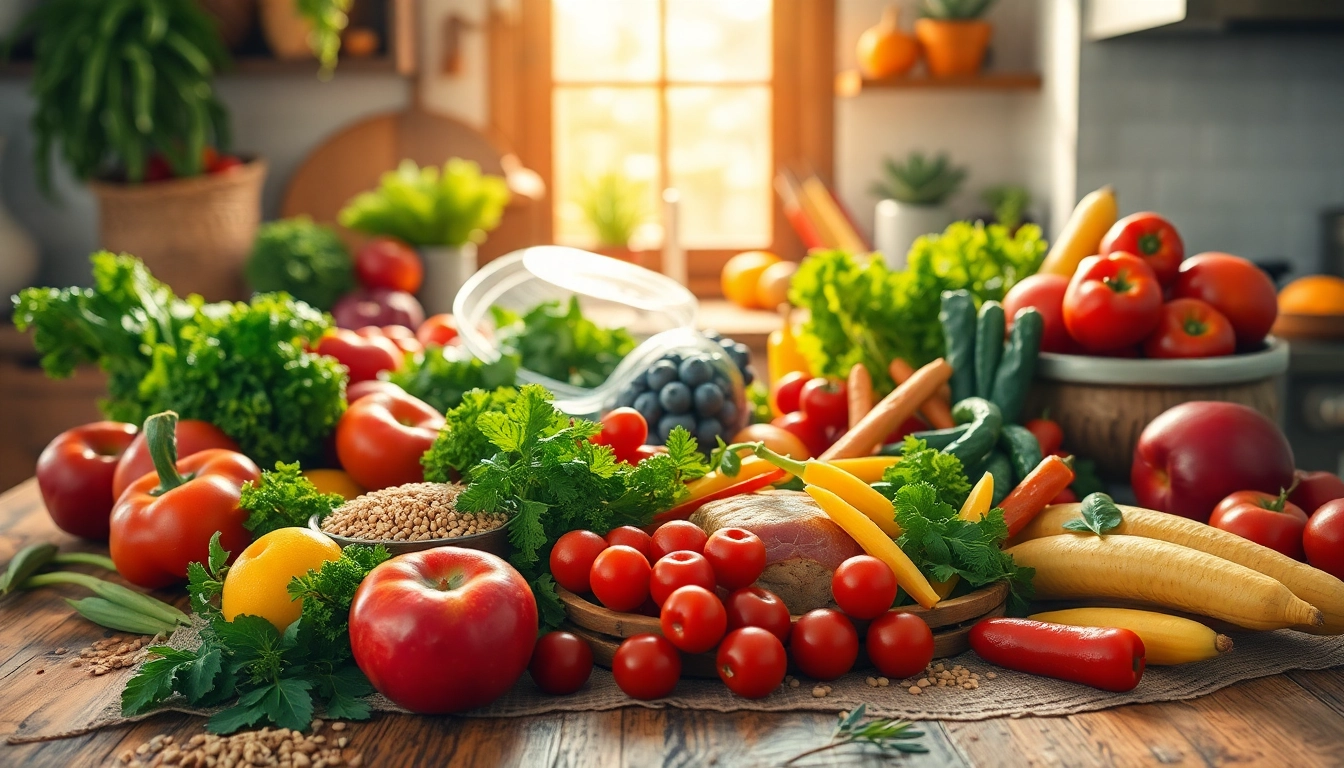
Healthy food refers to items that supply the body with essential nutrients while supporting overall well-being. This includes a variety of foods like fruits, vegetables, lean proteins, whole grains, and healthy fats. Unlike processed foods loaded with sugar, fat, and sodium, healthy food is low in empty calories and high in the elements that support bodily functions.
The Importance of Nutrient-Dense Choices
Nutrient-dense foods provide a high amount of nutrients per calorie. This includes vitamins, minerals, fiber, and other beneficial compounds. Choosing nutrient-dense foods means getting more health benefits without significant caloric intake, which is crucial for weight management and health improvement.
Benefits of Incorporating Healthy Foods
Incorporating healthy foods into your daily diet contributes to numerous benefits, including improved mood, enhanced physical performance, reduced risk of chronic diseases, and better digestion. A balanced diet can promote overall health, provide energy, and improve mental clarity. For more insights on healthy food choices, explore different resources and consult with health professionals.
Key Components of a Healthy Diet
Fruits and Vegetables: The Cornerstones of Healthy Eating
Fruits and vegetables are essential for a healthy diet. They are rich in vitamins, minerals, and antioxidants that prevent diseases and promote better health. Aim to incorporate a colorful variety of fruits and vegetables to ensure a broad spectrum of nutrients. Notably, dark leafy greens, berries, and citrus fruits are particularly high in essential nutrients.
Whole Grains and Fiber-Rich Foods
Whole grains such as brown rice, quinoa, and oats are vital for providing the body with fiber. They aid in digestion, help control weight, and reduce the risk of heart disease. Fiber-rich foods also help regulate blood sugar levels and support gut health. When selecting grains, always opt for whole grains whenever possible to maximize health benefits.
Lean Proteins: Essential for a Balanced Diet
Lean proteins such as chicken, turkey, fish, beans, and legumes play a crucial role in building and repairing body tissues. They also help to maintain muscle mass and keep you satiated longer, reducing the likelihood of overeating. Additionally, incorporating sources of plant-based proteins can provide various health benefits, including lower cholesterol levels.
How to Meal Prep for Healthy Eating
Planning Your Healthy Food Menu
Planning is essential for successful meal prep. Start by creating a weekly menu that includes a variety of healthy foods. Balance your meals with proteins, carbohydrates, and fats, ensuring you include plenty of fruits and vegetables. Consider your schedule when planning; choose meals that fit into your busy days and involve minimal preparation.
Grocery Shopping Tips for Nutritious Ingredients
When grocery shopping, prioritize fresh produce, whole grains, and lean proteins while avoiding the aisles filled with processed foods. Make a shopping list to help you stay focused and reduce impulse purchases. Shopping seasons can help you choose the freshest ingredients, and buying in bulk can often save money while stocking up on healthy staples.
Storing and Preparing Healthy Foods
Proper storage and preparation of healthy foods is crucial to maintaining their nutritional value. Store fruits and vegetables in the fridge to keep them fresh, and consider washing and cutting them ahead of time for easy access. Cooking methods like steaming, baking, and grilling are preferable, as they preserve nutrients compared to frying.
Creating Delicious Healthy Food Recipes
Healthy Breakfast Ideas to Start Your Day Right
A healthy breakfast fuels your body for the day ahead. Consider options like oatmeal topped with fresh fruit and nuts, smoothies packed with spinach and berries, or whole-grain toast with avocado. These meals provide energy and nutrients to kickstart your metabolism.
Quick and Easy Lunches for Busy Schedules
Lunches need not be time-consuming or unhealthy. Opt for salads with a variety of colorful vegetables and lean proteins, grain bowls that combine healthy carbs and fiber-rich ingredients, or wraps made with whole grain tortillas filled with veggies and lean meats. Preparation for lunches can often be done in advance to save time.
Simple, Healthy Dinners Everyone Will Love
For dinner, focus on balanced meals that include protein, vegetables, and a healthy carb source. Simple recipes like grilled chicken with steamed broccoli and quinoa, stir-fried vegetables with tofu, or baked salmon with asparagus can be quick and hassle-free, taking less than 30 minutes to prepare.
Maintaining a Healthy Food Lifestyle
Overcoming Common Challenges in Eating Healthy
Eating healthy can be challenging due to factors like time constraints, budget, and cravings for less nutritious options. Overcome these challenges by preparing meals ahead of time, sticking to a grocery list, and looking for healthy swaps when cravings strike. Being mindful of your choices and setting realistic health goals also helps promote a more sustainable lifestyle.
Strategies for Long-Term Success
Successful healthy eating involves lifestyle changes rather than temporary diets. Focus on forming healthy habits, such as cooking at home more often, practicing portion control, and listening to your body's hunger cues. Gradually integrating healthier options into your diet will lead to significant improvements over time.
Tracking Your Progress and Staying Motivated
Tracking your food intake and progress can greatly boost motivation. Use apps or journals to log meals and physical activity, which can help you recognize patterns and areas for improvements. Additionally, finding a support system, whether family, friends, or online communities, can sustain motivation and accountability.