
1. Understanding Women Fashion: A Historical Perspective
1.1 The Evolution of Women's Clothing
The history of women's fashion is a rich tapestry woven with cultural shifts and societal changes. From the restrictive corsets of the Victorian era to the liberation of women's rights movements influencing more casual attire, women's clothing has evolved significantly. Early garments were primarily functional, crafted from natural materials such as wool and linen, designed to protect the body. Over the centuries, these practical pieces transitioned into reflections of social status, with materials like silk and lace becoming popular among the elite.
By the 20th century, women's fashion began to mirror the incredible societal changes, particularly during the World Wars, when women entered the workforce in droves. This shift saw the introduction of more practical clothing designs, such as trousers and shorter skirts, which reflected a newfound independence. The influence of cinema and icons of the era, such as Audrey Hepburn and Marilyn Monroe, helped shape popular styles, leading to a more diverse and expressive form of women's fashion that we recognize today.
1.2 Key Influences on Women Fashion Through Decades
Throughout various decades, distinct fashion movements emerged that not only defined the styles of the time but also served as political and cultural statements. The 1920s, often referred to as the Roaring Twenties, featured flapper dresses that symbolized women's liberation and freedom from traditional roles. In contrast, the 1940s brought about more conservative styles as war rationed materials and the fashion industry focused on practicality. The 1960s and 70s showcased upon more radical changes with the introduction of the miniskirt and bohemian styles, echoing movements for civil rights and personal expression.
Fast forward to the 1990s and early 2000s, where the rise of grunge and casual wear took the forefront, influenced by music and youth culture. Today, the blending of vintage styles with contemporary designs continues to shape the current landscape of women’s fashion, reflecting a seamless blend of past and present influences.
1.3 Iconic Designers Who Shaped Women Fashion
Influential fashion designers have significantly shaped the narrative of women's clothing. Coco Chanel revolutionized women's fashion by introducing simplicity and elegance with pieces like the Chanel No. 5 and the classic little black dress. Dior's New Look in the 1940s redefined femininity with its hourglass silhouettes and luxurious fabrics that celebrated the female form.
Later, the likes of Vivienne Westwood and Alexander McQueen brought punk aesthetics and theatrical designs to the forefront, challenging societal norms and changing the perception of women's fashion. Today, designers such as Stella McCartney are at the helm of combining style with sustainability, influencing a new wave of conscious fashion choices for women globally.
2. Current Women Fashion Trends to Watch
2.1 Must-Have Pieces for Every Woman's Wardrobe
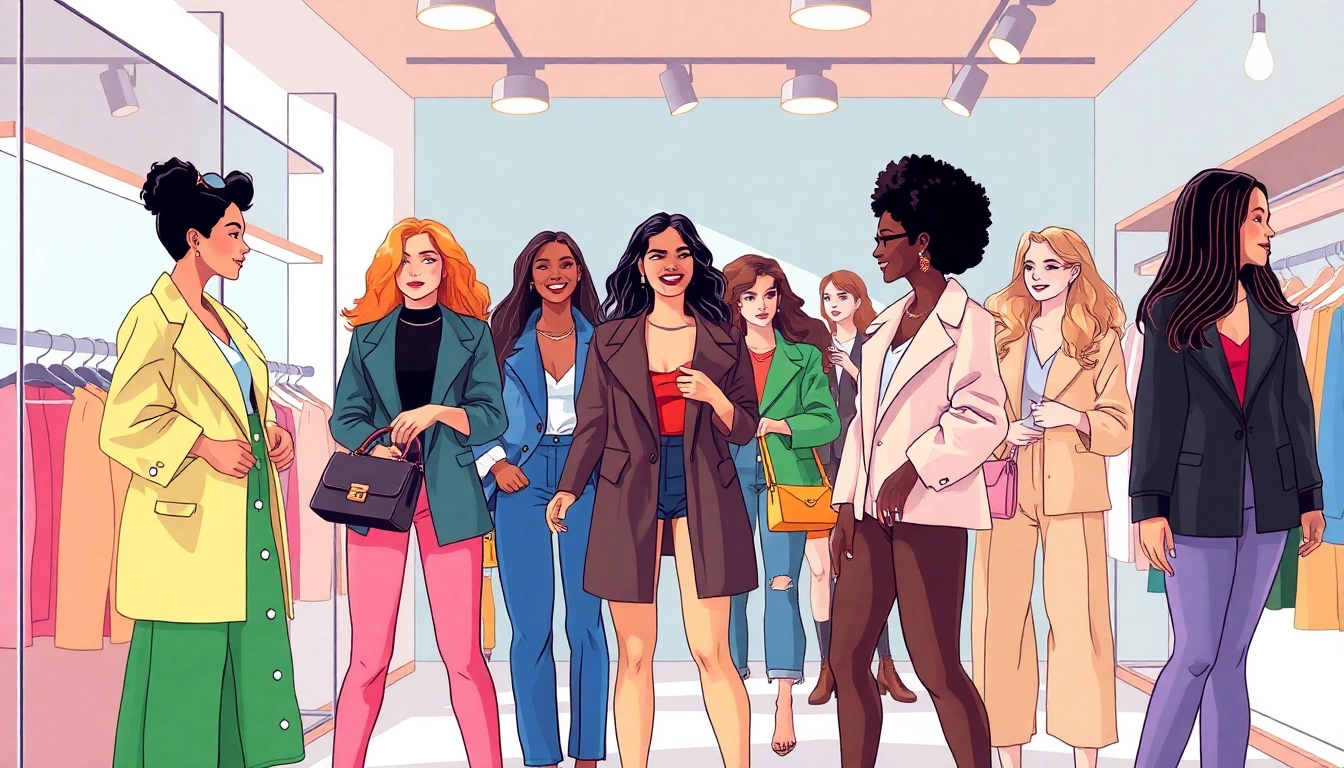
A well-rounded wardrobe is essential for showcasing personal style. Current must-have pieces echo both classic and modern silhouettes. The oversized blazer is a versatile piece that can be dressed up or down, providing structure yet comfort. High-waisted jeans continue to dominate women's fashion due to their flattering fit and adaptability for various tops and shoes.
Furthermore, midi dresses are ideal for their adaptability during different seasons, while statement accessories, like chunky jewelry or unique handbags, help elevate even the simplest outfits. These items are staples that empower women to create multiple looks simply by changing accessories or layering garments.
2.2 How to Mix and Match Women's Fashion Styles
Mastering the art of mixing and matching styles is crucial for creating unique outfits. One effective technique is to contrast formal and casual elements. For instance, pairing a tailored blazer with distressed jeans creates a balanced look that is both polished and relaxed. Additionally, layering different textures—like a knit sweater over a silk blouse—adds depth and interest.
Color coordination also plays a vital role in mixing styles effectively. Understanding complementary colors can lead to visually striking combinations, while embracing patterns, such as florals and stripes, can inject personality into outfits when balanced with neutral tones.
2.3 Seasonal Trends: What’s Hot This Year?
This year, several trends have emerged that everyone should consider. Earthy tones and pastels dominate this season's color palette, inspired by a global awareness of sustainability and nature. Textured fabrics, such as corduroy and boucle, add visual interest and warmth, making them perfect for layering in transitional weather.
In footwear, chunky boots and retro sneakers remain relevant, pairing well with skirts and wide-leg trousers. Lastly, prints such as check patterns are making a comeback alongside floral designs, proving that playful and eye-catching garments can be easily integrated into everyday wardrobes.
3. Women Fashion: Styling Tips and Tricks
3.1 Dress for Your Body Shape
Understanding body shapes is fundamental in selecting flattering styles. Whether curvy, athletic, or petite, each body type benefits from specific cuts and silhouettes to enhance natural features. Hourglass figures should emphasize the waist with cinching dresses, while pear shapes may opt for a-line skirts that skim over the hips.
Avoiding overly tight or loose garments is crucial, as ill-fitting clothing can detract from personal style. Further, using color-blocking techniques can help create the illusion of a longer or balanced frame. Experimentation is key; each woman should feel empowered to find what suits her best and expresses her unique identity.
3.2 Accessorizing: The Key to Elevating Your Look
Accessories are the finishing touches that can transform outfits from basic to stunning. A statement belt can create a more fitted silhouette, while bold earrings add character to even the simplest attire. When accessorizing, focus on one or two eye-catching pieces instead of overcrowding the look with multiple accessories.
Additionally, bags play a crucial role—choosing the right style can complement an outfit perfectly. Experimenting with different textures, such as leather, canvas, or fabric, can further elevate an ensemble. Finally, don’t overlook the power of a well-chosen scarf or hat; these can infuse personality and creativity into your fashion choices.
3.3 Color Theory: Choosing the Right Palettes for You
Understanding color theory helps women choose palettes that complement their skin tones and enhance their best features. Warm tones typically suit those with golden undertones, while cool tones can complement those with a pink or blue undertone. The right colors can uplift the mood, create confidence, and even convey messages about personal style.
Moreover, color blocking can be an exciting way to mix hues to create a striking outfit. Combining complementary colors fosters a balanced look, while analogous colors—those next to each other on the color wheel—can create harmony. Incorporating these principles into wardrobe choices can ensure that every outfit exudes coordinated style.
4. Sustainable Women Fashion: Eco-Friendly Choices
4.1 Understanding Sustainable Fashion Practices
The increasing awareness of environmental issues has led to a significant shift in the fashion industry towards sustainable practices. Sustainable fashion emphasizes fair trade, ethical labor practices, and the use of eco-friendly materials. Understanding these principles not only supports the environment but also promotes a more equitable global economy.
Choosing organic fabrics, such as cotton and linen, and recycled materials can greatly reduce the environmental impact associated with traditional manufacturing processes. Moreover, companies committed to sustainability often focus on minimizing waste through practices like upcycling and producing smaller, limited collections to reduce overproduction.
4.2 Brands Leading the Way in Sustainable Women Fashion
Several brands stand out as pioneers in the realm of sustainable women’s fashion. Everlane, known for its transparency in pricing and production processes, champions the ethical treatment of workers while offering stylish pieces. Reformation not only employs eco-friendly practices but also designs with a focus on style, making sustainability fashionable and accessible.
Furthermore, Patagonia and Eileen Fisher have made significant strides in creating eco-conscious clothing lines, ensuring that high-quality materials are utilized while maintaining ethical labor practices. These brands serve as role models within the industry, showing that sustainability and style can coexist.
4.3 How to Build a Sustainable Wardrobe
Creating a sustainable wardrobe involves intentional choices. Start by investing in quality over quantity; purchasing fewer, high-quality pieces that will last longer reduces waste. Opt for versatile garments that can be mixed and matched easily, reflecting uniform aesthetics in various settings.
Additionally, consider sustainable cleaning practices like washing garments in cold water and air drying to extend their lifespan. Donating or recycling clothes once they are no longer wanted ensures they are not contributing to landfill waste, thereby promoting a cycle of sustainability. Learning about capsule wardrobes can also help simplify choices and foster a more sustainable lifestyle.
5. Shopping for Women Fashion: Where to Buy
5.1 Top Online Stores for Women Fashion
Shopping for women's fashion online has never been easier, with numerous platforms offering diverse styles. Retailers like Women Fashion provide a wide array of clothing choices, catering to different styles and budgets. Other notable online stores include Zara for trendy yet affordable pieces, Nordstrom for quality and designer options, and ASOS for fast fashion at competitive prices.
Additionally, platforms like Free People and Anthropologie offer bohemian styles and unique pieces that help women express their individuality. Each of these retailers brings something unique to the table, making it simple for readers to discover fresh and appealing styles for their wardrobes.
5.2 Tips for Finding Bargains in Women Fashion
Finding great deals on women's fashion can be a rewarding experience. Start by following favorite brands on social media and signing up for their newsletters; many companies offer exclusive discounts or early access to sales for subscribers. Shopping off-season can lead to significant savings, with retailers discounting items dramatically to make way for new collections.
Utilizing discount websites like RetailMeNot or Honey can also help unveil additional coupon codes. Finally, thrift stores and online resale platforms such as Poshmark or Depop are treasure troves of gently used clothing at fraction of the retail price, allowing for sustainable shopping while also saving money.
5.3 Phoenix Shopping: Local Boutiques You Can't Miss
For those in the Phoenix area, visiting local boutiques can provide an enriching shopping experience. Shops like Frances, located in the heart of the downtown district, offer curated selections of contemporary women's fashion, emphasizing local artisans and sustainable brands. Another favorite is Mod Girl Boutique, where unique styles are plentiful, catering to diverse tastes.
Exploring local markets or events—like the Phoenix Flea—can uncover hidden gems and support local entrepreneurs. These options not only provide unique pieces but also foster a more intimate shopping experience, enabling customers to discover styles that truly resonate with their identity and values.