
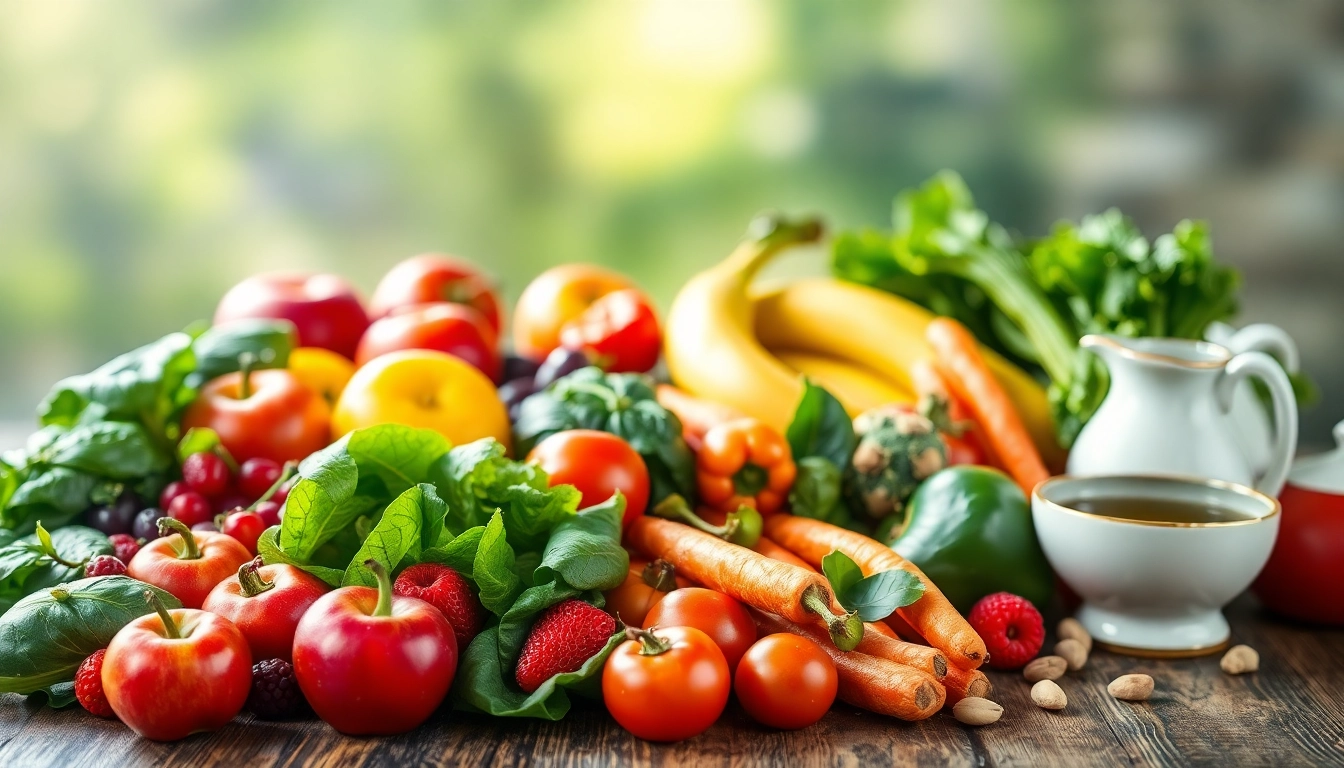
Understanding the Basics of Healthy Food
When discussing healthy food, it's essential to establish a clear foundation. Healthy food choices can greatly influence our overall well-being, affecting everything from physical health to mental clarity. But what exactly constitutes healthy food? How can we make informed decisions that align with our health goals? Let's explore these questions in a comprehensive manner.
What Constitutes Healthy Food?
Healthy food can be broadly defined as food that promotes good health and well-being. This includes a variety of food groups, primarily focusing on nutrient-dense options. Here are some critical elements that contribute to what is considered a healthy food choice:
- Fruits and Vegetables: These are rich in essential vitamins, minerals, and antioxidants. Aim for a colorful plate, incorporating a variety of different types to ensure a wide range of nutrients.
- Whole Grains: Opt for whole grains such as brown rice, quinoa, and whole wheat bread instead of refined grains. Whole grains provide more fiber and nutrients, aiding in digestion and prolonged energy.
- Lean Proteins: Incorporating lean proteins like chicken breast, fish, beans, and legumes is vital for muscle repair and overall body functions. Proteins are essential for satiety and can help regulate appetite.
- Healthy Fats: Not all fats are created equal. Focus on healthy fats found in avocados, nuts, seeds, and olive oil. These fats support brain health and can help with the absorption of fat-soluble vitamins.
- Dairy or Alternatives: For those who consume dairy, low-fat options or alternatives such as almond or oat milk can provide calcium and vitamin D necessary for bone health.
The Importance of Nutrient-Dense Choices
Nutrient density refers to the number of nutrients a food contains relative to its calorie content. Foods that are nutrient-dense provide substantial vitamins, minerals, and other health-promoting components while being low in calories. For example, spinach is extremely low in calories but high in iron, calcium, and vitamins A and C, making it a superior choice for health.
Choosing nutrient-dense foods can help mitigate hunger and cravings, prevent overeating, and support weight management. Moreover, these selections can also reduce the risk of chronic diseases, enhance metabolic health, and improve overall vitality.
Common Myths About Healthy Food
Myth-busting is crucial when it comes to healthy eating strategies. Misunderstandings about what is 'healthy' can lead to poor dietary choices. Here are a few prevalent myths:
- All Fats are Bad: Many people believe that consuming any type of fat will lead to weight gain. However, healthy fats play a fundamental role in a balanced diet.
- Carbs are the Enemy: Carbohydrates are vital for energy. Choosing the right type of carbs, such as whole grains, is key to maintaining health and energy levels.
- Organic is Always Healthier: While organic foods often have less pesticide residue, they are not always more nutritious than conventionally grown foods.
- Eating Healthy is Expensive: A healthy diet can be budget-friendly by prioritizing whole foods like legumes, grains, and seasonal fruits and vegetables.
Creating a Healthy Food Meal Plan
Creating a meal plan is an effective strategy for maintaining a healthy diet. A well-structured meal plan can minimize unhealthy snacking and ensure you get all the nutrients you need.
Steps to Build Your Weekly Meal Prep
The following steps can help you create a functional and healthy meal prep plan:
- Assess Your Schedule: Determine how many meals you need for the week and your availability for cooking.
- Choose Your Recipes: Select recipes that are balanced and include a variety of food groups. Aim for simple meals that you can prepare in bulk.
- Make a Grocery List: Based on your chosen recipes, compile a grocery list. Stick to this list to avoid impulse purchases.
- Prep Ingredients: Wash, chop, and portion out ingredients as needed. Store them in clear containers for easy access.
- Cook in Batches: Prepare multiple servings of meals that keep well, such as soups or casseroles.
- Store Properly: Use airtight containers to store meals in the refrigerator or freezer, helping maintain freshness.
Understanding Portion Sizes and their Importance
Understanding portion sizes is crucial for maintaining a balanced diet. Using measuring cups, food scales, or the plate method can help in visualizing appropriate portions. Overeating, even healthy foods, can lead to weight gain and other health issues.
A general guideline is to fill half your plate with fruits and vegetables, a quarter with whole grains, and a quarter with protein. Additionally, adjusting portion sizes according to individual energy needs can facilitate weight management and contribute to a healthier lifestyle.
Incorporating Variety into Your Diet
Incorporating a variety of foods into your diet is vital for providing your body with a full range of nutrients. Rotating your food choices can also help prevent dietary boredom. Here are some strategies to add variety:
- Experiment with New Recipes: Try one new recipe each week to expand your cooking skills and knowledge of different cuisines.
- Seasonal Eating: Eating in tune with the seasons can provide fresh, flavorful, and nutritious food while supporting local agriculture.
- International Ingredients: Incorporate diverse spices and ingredients from different cultures to keep meals exciting.
Healthy Food Recipes to Try at Home
Cooking at home offers control over ingredients, preparation methods, and portion sizes. Here are some healthy recipes to try that cater to various tastes and dietary needs.
Quick and Easy Healthy Recipes for Busy People
For those with a hectic schedule, quick and easy recipes can be a lifesaver. Here are some ideas:
- Grain Bowl: Combine cooked quinoa, steamed broccoli, chickpeas, and drizzle with tahini dressing.
- Veggie Stir-Fry: Sauté your choice of vegetables with garlic, ginger, and soy sauce for a fast meal served over brown rice.
- Overnight Oats: Mix rolled oats with almond milk, chia seeds, and your favorite fruits in a jar for a quick breakfast option.
Using Seasonal Fruits and Vegetables
Utilizing seasonal produce can enhance the flavor and nutrient quality of your meals. Plus, seasonal shopping often reduces costs. Here are some seasonal suggestions:
- Spring: Asparagus, peas, and strawberries.
- Summer: Tomatoes, zucchini, and peaches.
- Fall: Pumpkins, sweet potatoes, and apples.
- Winter: Kale, Brussels sprouts, and citrus fruits.
Meal Ideas for Special Dietary Needs
Creating meals that accommodate special dietary needs can be simple and satisfying. Here are a few suggestions to consider:
- Gluten-Free: Quinoa salad with black beans, corn, and avocado.
- Dairy-Free: Coconut milk curry with vegetables and chickpeas.
- Vegan: Lentil soup with spinach and carrots.
Healthy Food Choices While Dining Out
Eating out doesn't have to derail your healthy eating goals. With a few savvy strategies, you can make informed choices while enjoying meals at restaurants.
How to Read Menus for Healthy Options
Understanding how to interpret restaurant menus is a valuable skill. Here are some tips:
- Look for keywords like "grilled," "baked," or "roasted," which often indicate healthier cooking methods compared to "fried" or "breaded."
- Choose meals that are rich in vegetables, whole grains, and lean protein.
- Avoid overly complex dishes with heavy, creamy sauces, and instead opt for simpler preparations.
Tips for Splitting Meals and Saving Calories
Portion sizes at restaurants can often be quite large. Consider these techniques to avoid overeating:
- Share an appetizer with your dining companions, which allows you to enjoy a variety without overindulging.
- Ask for a to-go box upfront and immediately set aside half of your meal for another time.
- Request dressing and sauces on the side to monitor how much you consume.
Choosing Healthy Snacks On-the-Go
Healthy snacking is crucial for maintaining energy levels throughout the day. Here are snack options that are both nutritious and convenient:
- Fresh Fruit: Apples, bananas, or grapes make excellent portable snacks.
- Nut Packs: Individual servings of nuts provide healthy fats and protein.
- Veggies and Hummus: Pre-cut vegetables with a small container of hummus are nutritious and filling.
Tracking Your Progress with Healthy Food
Monitoring your food intake and health goals can provide accountability and encourage positive changes in your eating habits.
Tools and Apps to Monitor Your Diet
Several apps and tools can help you keep track of your dietary choices. Some of the most popular include:
- MyFitnessPal: A comprehensive app that allows users to log their meals and track nutritional intake.
- Lose It: Set goals for weight loss and track progress by logging your food and exercise.
- Fooducate: An app to scan food labels, getting insights on the nutritional value and quality of the product.
Setting Realistic Health Goals
Setting achievable health goals is essential for sustaining motivation and tracking progress effectively. Here are some tips for goal-setting:
- Start with small, manageable goals, such as cooking at home three times a week or incorporating one new vegetable into your diet each week.
- Use the SMART criteria—Specific, Measurable, Achievable, Relevant, and Time-bound—to structure your objectives.
- Regularly reassess your goals based on your progress and lifestyle changes, ensuring they remain realistic and motivating.
How to Celebrate Your Healthy Food Journey
Celebrating milestones in your healthy eating journey can enhance your motivation. Here are some ideas:
- Share your accomplishments with family and friends to boost accountability and receive positive reinforcement.
- Reward yourself with non-food-related incentives, such as new workout gear, a massage, or a fun experience like a hike.
- Document your journey through a journal or blog, reflecting on your progress and challenges.