
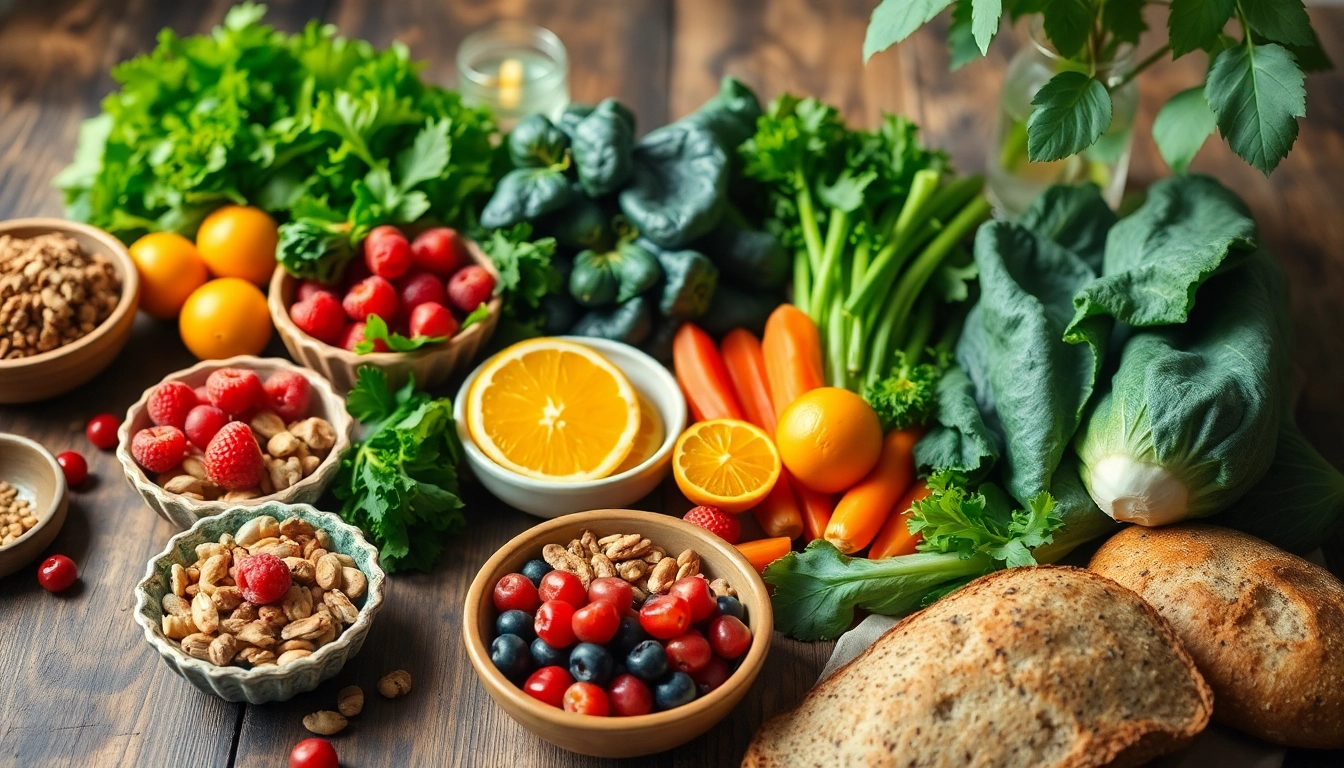
Understanding Healthy Food
Healthy food is at the forefront of modern wellness, as more individuals are aware of the significant impact nutrition has on overall health. In a world filled with fast food and processed options, understanding what constitutes healthy food becomes essential. The choices we make influence our energy levels, longevity, and overall quality of life. This article delves deep into the concept of healthy food, exploring its components, benefits, and practical ways to incorporate it into our daily lives. For a complete approach to health, let’s discover how healthy food can play a crucial role.
What Constitutes Healthy Food?
Healthy food can be broadly defined as food that is rich in nutrients, including vitamins, minerals, fiber, and antioxidants while being low in added sugars, saturated fats, and sodium. Key components of healthy food include:
- Fruits and Vegetables: Packed with vitamins, minerals, and fiber, these are crucial for a well-rounded diet. The Rainbow Rule advocates consuming a variety of colors to ensure diverse nutrient intake.
- Whole Grains: Foods such as brown rice, quinoa, and whole wheat bread provide fiber and essential carbohydrates that promote energy and fullness.
- Lean Proteins: Sources like chicken, turkey, beans, legumes, and nuts are vital for muscle repair and growth.
- Healthy Fats: Unsaturated fats found in foods like avocados, olive oil, and nuts support brain health and reduce inflammation.
Avoiding highly processed foods, which often contain harmful trans fats and excess sugars, is equally critical in defining healthy eating.
The Importance of Nutrient Density
Nutrient density is a concept that emphasizes the amount of nutrients (vitamins, minerals, antioxidants) per calorie of food. Foods that are nutrient-dense provide high levels of nutrients with fewer calories, making them ideal for those looking to maintain or lose weight without sacrificing nutrition. Examples include:
- Spinach: Low in calories but high in iron, calcium, and vitamins A, C, and K.
- Salmon: Provides high-quality protein and vital omega-3 fatty acids essential for heart health.
- Quinoa: A complete protein and a rich source of fiber, vitamins, and minerals.
Understanding the value of nutrient density can lead to better food choices that enhance wellbeing and promote vitality.
Common Myths About Healthy Food
Myths and misconceptions about healthy food can often lead people astray. Here are some common ones:
- Myth: All fats are bad. Fact: Healthy fats, such as those from fish, nuts, and olive oil, are critical for body functions and should be included in moderation.
- Myth: Carbohydrates should be avoided. Fact: Whole grains are an essential part of a balanced diet, providing energy and nutrients.
- Myth: Healthy food is too expensive. Fact: With proper planning, many nutrient-dense foods can be budget-friendly, especially when buying seasonal produce.
Dispel these myths through education and practical knowledge about nutrition, making healthy eating more accessible.
Top 10 Healthy Foods You Should Incorporate
Here are ten superfoods that you should consider adding to your diet for a healthier lifestyle:
Fruits: Nature’s Candy
Fruits are not only delicious but also packed with essential vitamins and minerals. A variety of fruits should be included in your meals:
- Berries: Blueberries, strawberries, and raspberries are rich in antioxidants, particularly vitamin C, which boosts the immune system.
- Citrus Fruits: Oranges, lemons, and limes are excellent sources of vitamin C and can aid in iron absorption from plant sources.
- Bananas: A great source of potassium, bananas also offer quick energy from their natural sugars.
Vegetables: Colorful Plates for Health
Vegetables are key to any healthy diet due to their high fiber content, low calorie density, and rich source of vitamins:
- Leafy Greens: Spinach, kale, and Swiss chard are nutrient powerhouses loaded with vitamins A, C, K, and various minerals.
- Cruciferous Vegetables: Broccoli and cauliflower contain compounds that may help reduce cancer risk.
- Carrots: High in beta carotene, which the body converts to vitamin A, essential for eye health.
Nuts and Seeds: Nutrient-Packed Powerhouses
Nuts and seeds are rich in healthy fats, protein, fiber, and various vitamins and minerals:
- Almonds: High in vitamin E and magnesium, they are also known to help lower cholesterol levels.
- Chia Seeds: Rich in omega-3 fatty acids, fiber, and protein, they can easily be added to smoothies or yogurt.
- Walnuts: Contain antioxidants and are beneficial for heart health due to their high omega-3 content.
Healthy Cooking Methods
The way food is prepared significantly impacts its healthiness. Here are some cooking methods that retain nutrients and flavor:
Steaming vs. Boiling: Which is Healthier?
Steaming vegetables retains more nutrients compared to boiling. When you boil vegetables, some nutrients, especially water-soluble vitamins like vitamin C and B vitamins, leach into the cooking water. Thus, steaming is generally the preferred method as it preserves the color, texture, and flavor of the food.
How to Bake Healthy Dishes
Baking is a healthy cooking method that allows for the preparation of nutritious meals without excess oil or fat. Using spices and herbs instead of salt can enhance flavors without adding unwanted sodium. Opt for whole grain flours and sugar substitutes like applesauce or mashed bananas in baking recipes to improve nutritional values.
Using Spices to Enhance Healthy Food Flavor
Spices not only add flavor but also bring numerous health benefits. Turmeric, for instance, has anti-inflammatory properties, while cinnamon can help regulate blood sugar levels. Using spices can make healthy meals more enjoyable, leading to better adherence to a healthy eating plan.
Healthy Food on a Budget
Eating healthy does not have to break the bank. With some smart strategies, you can maintain a nutritious diet affordably:
Shopping Tips for Affordable Nutrition
Choose seasonal produce, buy in bulk, and opt for generic brands to save money. Shopping at local farmers’ markets can also provide fresh and cheaper options. Reading labels and understanding what’s in your food can help you make healthier choices at a lower cost.
Meal Prepping for Health and Savings
Meal prepping can save time and money while ensuring that healthy food choices are easily accessible. Plan your week’s meals, prepare them in advance, and store them in the fridge or freezer. This not only cuts down on cooking time but also helps avoid the temptation of unhealthy fast food options during busy days.
Finding Deals on Fresh Produce
Take advantage of weekly grocery store ads and digital coupons to find discounts on fresh produce. Buying in-season fruits and vegetables will also typically be more affordable and tastier. Consider participating in community-supported agriculture (CSA) programs where you can buy a share of produce directly from local farmers.
Incorporating Healthy Food into Your Lifestyle
Transforming your diet can be overwhelming if done all at once. Start small and gradually integrate healthy food choices into your everyday meals:
Making Healthy Food Choices at Restaurants
Opt for dishes that are grilled, baked, or steamed rather than fried. Ask for dressings and sauces on the side, and choose whole grains where possible. Many restaurants now offer healthier options, and don’t hesitate to modify dishes to make them healthier.
Healthy Food for Busy Families
For families with time constraints, consider easy-to-prepare meals that can be made in bulk. Look for recipes that incorporate vegetables and lean proteins, and involve children in cooking to instill healthy eating habits. Stock up on healthy snacks like cut-up fruits and healthy granola bars for quick, nutritious options.
Building a Balanced Plate: Portion Control Explained
Understanding portion sizes is key to a balanced diet. The plate method is an easy way to visualize healthy eating: fill half your plate with vegetables and fruits, one-quarter with lean protein, and one-quarter with whole grains. Using smaller plates can also help control portions without feeling deprived.
By implementing these practices, individuals and families can enjoy the many benefits of a healthy diet without compromising on taste or budget. The exploration of healthy food is not merely a trend; it’s a sustainable way to nourish the body and mind, leading to a better and more vibrant life.