Understanding the Basics of Healthy Food
What Constitutes Healthy Food?
Healthy food is often described as any food that provides the nutrients necessary for our body to function optimally. This includes essential vitamins, minerals, fiber, and antioxidants, found mainly in fruits, vegetables, whole grains, lean proteins, and healthy fats. Healthy food choices tend to be low in added sugars, sodium, and unhealthy fats. To maintain a balanced diet, we should focus on whole foods that are minimally processed. An example of healthy food includes kale, quinoa, salmon, and almonds—each packed with nutrients that support bodily functions.
Benefits of Incorporating Healthy Food into Your Diet
Incorporating healthy foods into your diet provides numerous benefits. First and foremost, it supports physical health by reducing the risk of chronic diseases such as heart disease, diabetes, and obesity. Nutrient-dense foods boost our immune system, promote healthy digestion, and aid in maintaining a healthy weight.
Moreover, a balanced diet has profound effects on mental health. Studies have shown that diets rich in fruits, vegetables, and omega-3 fatty acids correlate with lower rates of depression and anxiety. Furthermore, healthy food can enhance cognitive function, improving memory and concentration.
Common Misconceptions About Healthy Food
Many misconceptions surround the idea of healthy eating. One popular myth is that healthy food must be expensive or time-consuming to prepare. However, healthy meals can be affordable and quick, particularly when using seasonal produce and simple recipes. Another misconception is that healthy food is bland and unappealing. In reality, the diversity of ingredients and cooking methods can lead to delicious and satisfying meals. Understanding these misconceptions is vital for fostering a positive relationship with food.
Top 10 Healthy Foods You Should Include Daily
The Power of Leafy Greens
Leafy greens such as spinach, kale, and Swiss chard are a staple in healthy diets. They are low in calories but high in essential vitamins, iron, and calcium. These greens are versatile and can be easily incorporated into salads, smoothies, and cooked dishes. Regular consumption of leafy greens has been linked with reduced oxidative stress and inflammation, ultimately promoting long-term health.
Why Nuts are a Nutritional Powerhouse
Nuts are often touted as superfoods due to their high content of healthy fats, protein, fiber, and various vitamins and minerals. Almonds, walnuts, and pistachios are particularly beneficial for heart health, as they lower cholesterol levels and improve heart function. Consuming a small handful of nuts daily can contribute significantly to your daily nutrient intake while helping to manage hunger levels.
Fruits: Nature’s Candy or Health Threat?
Fruits are an integral part of a healthy diet, brimming with vitamins, antioxidants, and dietary fiber. Although some people worry about the sugar content in fruits, it’s crucial to understand that the natural sugars found in whole fruits come packaged with nutrients that benefit health. Berries, apples, oranges, and bananas should all be part of your daily meal plans, providing a sweet yet nutritious option anytime.
How to Incorporate Healthy Food into Everyday Meals
Simple Recipes Featuring Healthy Food
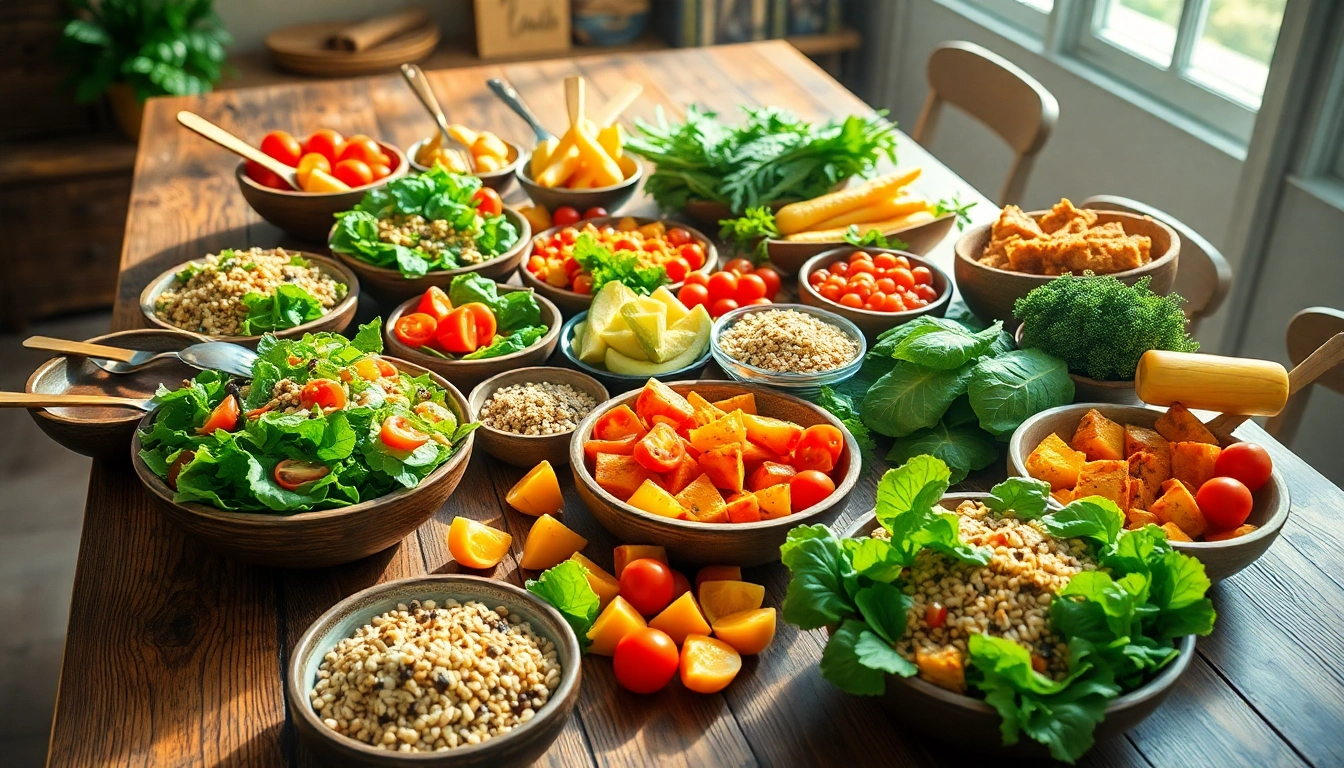
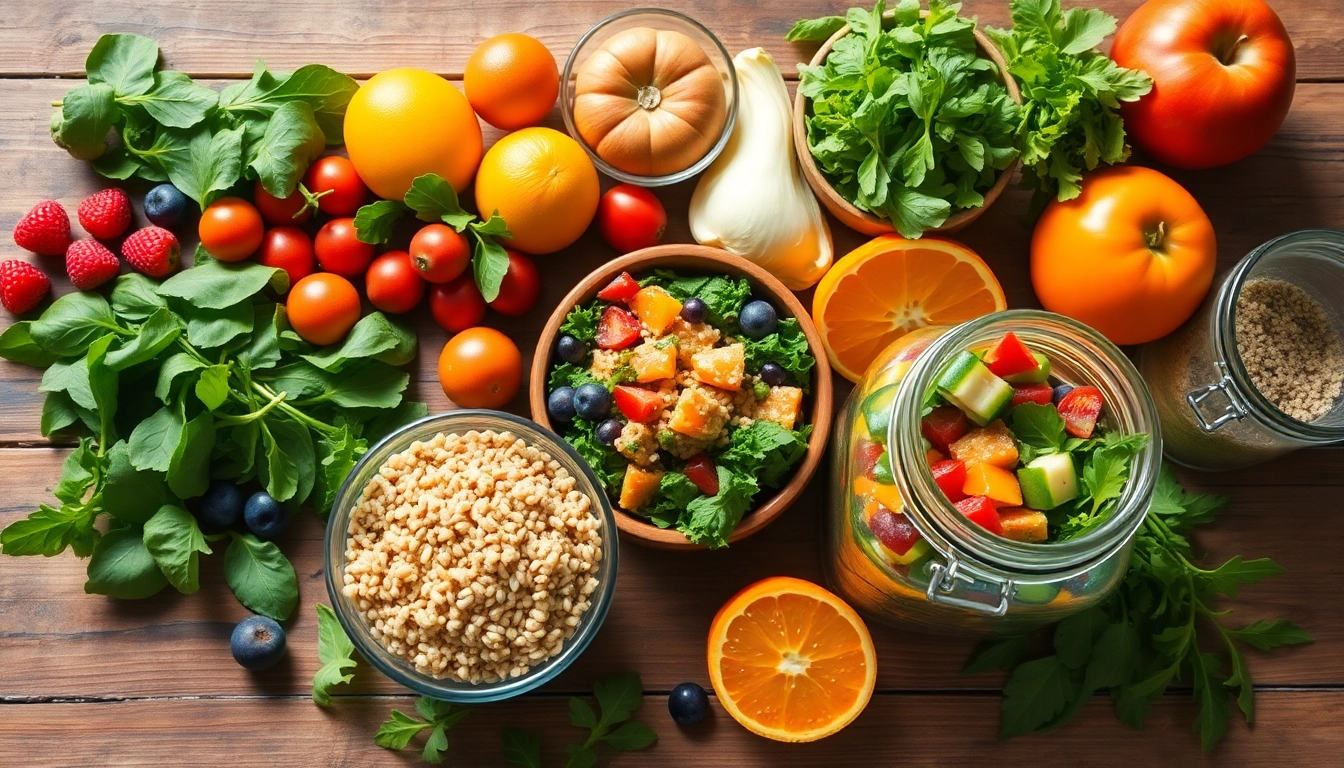
Creating meals with healthy ingredients doesn’t have to be complicated. For instance, a simple salad made of mixed greens, cherry tomatoes, cucumbers, and a portion of grilled chicken can serve as a nutritious and satisfying lunch. Try a quinoa bowl with roasted vegetables and tahini dressing or a smoothie made with spinach, banana, and almond milk. Each of these recipes demonstrates how easy it is to integrate healthy foods into your meals.
Meal Prepping for a Healthy Lifestyle
Meal prepping is an effective strategy for maintaining a healthy diet amidst a busy lifestyle. By planning your meals ahead of time, you can ensure that you have healthy options readily available. Start by choosing a day to cook and prepare items such as grains, proteins, and vegetables in bulk. Store them in portioned containers for easy access throughout the week. This practice helps save time and prevents last-minute unhealthy food choices.
Eating Healthy Food on a Budget
Eating healthy doesn’t have to break the bank. Focus on buying in-season produce, which is generally less expensive and fresher. Plan your meals around sales and discounts at your local grocery store. Buying in bulk, particularly for grains and legumes, can also save money. Remember, whole foods like beans and rice are not only cost-effective but also incredibly nutritious.
Addressing Common Challenges in Maintaining a Healthy Diet
Overcoming Cravings for Unhealthy Foods
Cravings for unhealthy foods are a common challenge when trying to maintain a healthy diet. One approach to manage cravings is to identify triggers and find healthier alternatives. For instance, if you’re craving something sweet, opt for a piece of fruit or a homemade energy ball made with oats and nut butter. Staying hydrated and busy can also help reduce cravings, as many people mistake thirst for hunger.
Strategies for Eating Healthy Food When Eating Out
Dining out can present challenges for healthy eaters. To navigate menu options, consider looking for dishes that feature vegetables, whole grains, and lean proteins. Don’t hesitate to ask for modifications, such as dressing on the side or swapping fries for a salad. Researching restaurants beforehand can also help you identify places that prioritize healthy options. Most important, practice mindful eating; savor your food and listen to your body’s hunger cues.
Dealing with Picky Eaters in the Family
Encouraging picky eaters, especially children, to incorporate healthy foods can be challenging. One effective strategy is to involve them in the cooking process; this can increase their interest in trying new foods. Offering a variety of choices can also help; serve healthy foods in fun and appealing ways. Create a rainbow plate with diverse fruits and vegetables, making meals visually enticing.
Measuring Success: Tracking Your Healthy Food Journey
Tools for Tracking Nutrition and Health
Tracking your nutrition and health can provide valuable insights into your eating habits. Consider using apps designed for meal tracking or food diaries that allow you to record and review what you eat daily. These tools help identify areas for improvement, such as increasing vegetable intake or reducing added sugars. Additionally, maintaining a physical journal can enhance accountability and provide a space for setting goals.
Setting Realistic Goals for Healthy Eating
Goal setting is crucial in any health journey. Instead of overwhelming yourself with drastic changes, set achievable and specific goals. For instance, you could aim to add one extra serving of vegetables to your meals each day or commit to trying a new healthy recipe once a week. Celebrating small victories can keep you motivated and reinforce positive habits.
Adjusting Your Diet Based on Progress
As you track your progress and understand how different foods affect your body, it’s essential to remain adaptable with your diet. Regularly evaluate how your body responds to various foods and meal plans. Adjust portions or ingredients if necessary. Staying flexible in this journey can lead to a healthier relationship with food and sustainable eating habits.