Understanding Healthy Food Choices
Defining Healthy Food
When we speak of healthy food, we refer to food items that are rich in essential nutrients while being low in unhealthy ingredients like excessive sugar, salt, and saturated fats. Healthy foods generally include a variety of fruits and vegetables, whole grains, lean proteins, and healthy fats. This combination provides our bodies with the vitamins, minerals, fiber, and other essential elements needed for optimal functioning. Healthy eating is not about strict dietary limitations but rather about feeling great, having more energy, improving health, and stabilizing your mood. Healthy food choices can lead to a balanced diet that promotes long-term wellness.
The Benefits of Eating Healthy Food
Eating healthy food offers numerous benefits that extend beyond weight management. Firstly, a wholesome diet rich in fruits, vegetables, whole grains, and lean proteins helps reduce the risk of chronic diseases such as heart disease, diabetes, and certain cancers. Secondly, nutritious foods can improve mood and cognitive function. Studies have shown that a diet rich in antioxidants, vitamins, and minerals supports brain health, enhancing memory and focus. Additionally, a balanced diet often leads to better energy levels and improved physical performance.
Moreover, healthy food choices support healthy skin, hair, and nails, contributing to an overall sense of well-being. Eating well can also promote a healthy gut microbiome, crucial for digestion and immune function. Importantly, as many nutritionists emphasize, adopting healthy eating habits can lead to sustainable weight loss or maintenance, preventing the yo-yo dieting that so many struggle with.
Common Misconceptions About Healthy Diets
Despite the clear benefits of healthy eating, several misconceptions often deter individuals from making better food choices. One common myth is that healthy foods are bland and unenjoyable. In reality, healthy eating can be flavorful and diverse, incorporating spices, herbs, and various cooking methods that enhance food enjoyment. Another misconception is that healthy eating requires significant time and money. While it’s true that some health foods can be expensive, there are plenty of affordable and quick options available, such as seasonal produce, canned beans, and whole grains.
Lastly, many believe that healthy food is synonymous with strict dieting. This couldn’t be further from the truth; a healthy diet is about balance and moderation, allowing for indulgences without guilt as part of an overall healthy lifestyle. Understanding these misconceptions enables more people to engage in healthy eating practices realistically and sustainably.
Top Healthy Foods to Incorporate into Your Diet
Fruits and Vegetables: Nature’s Superfoods
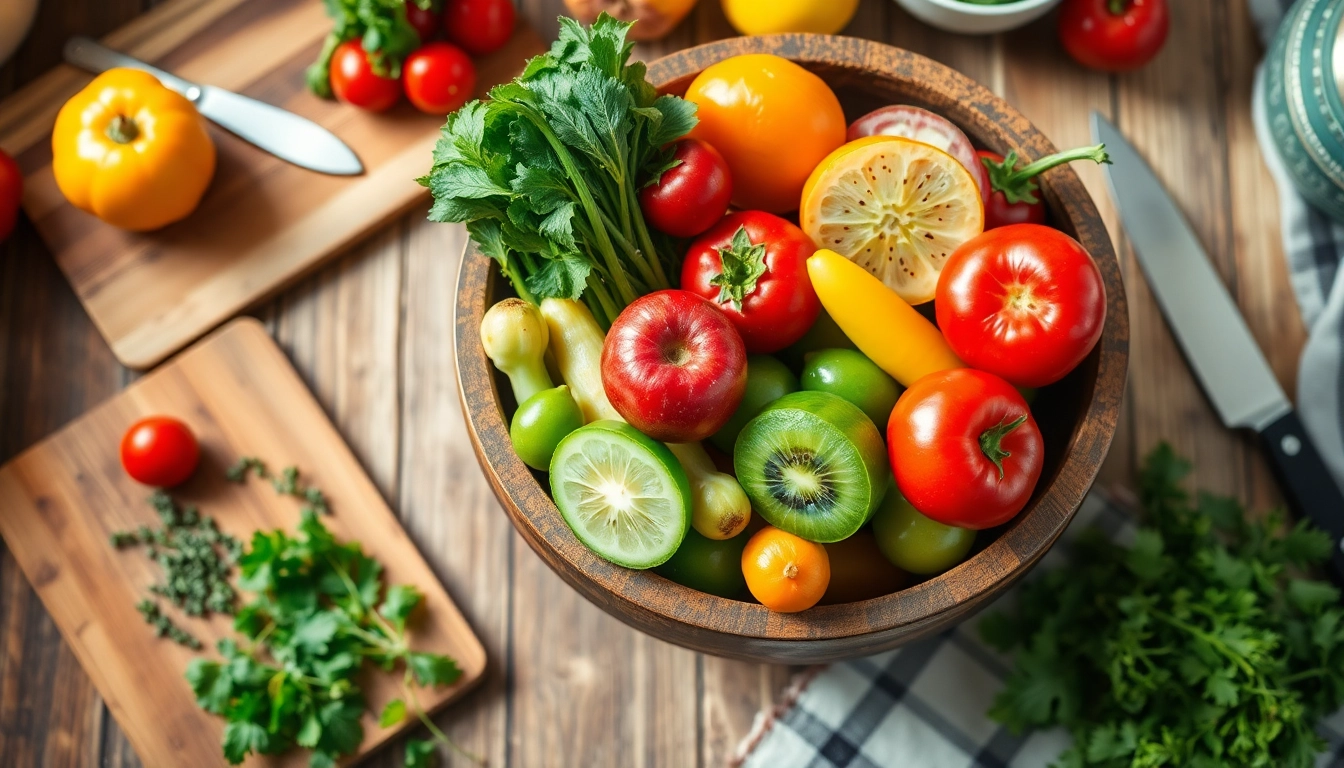
Fruits and vegetables are powerhouse foods packed with vital nutrients. They are rich in vitamins, minerals, fiber, and antioxidants that help prevent chronic diseases. Eating a wide variety of fruits and vegetables ensures that you receive a broad spectrum of nutrients. For instance, leafy greens such as kale and spinach are high in iron and vitamins A, C, and K, while colorful fruits like berries are rich in antioxidants which support heart health.
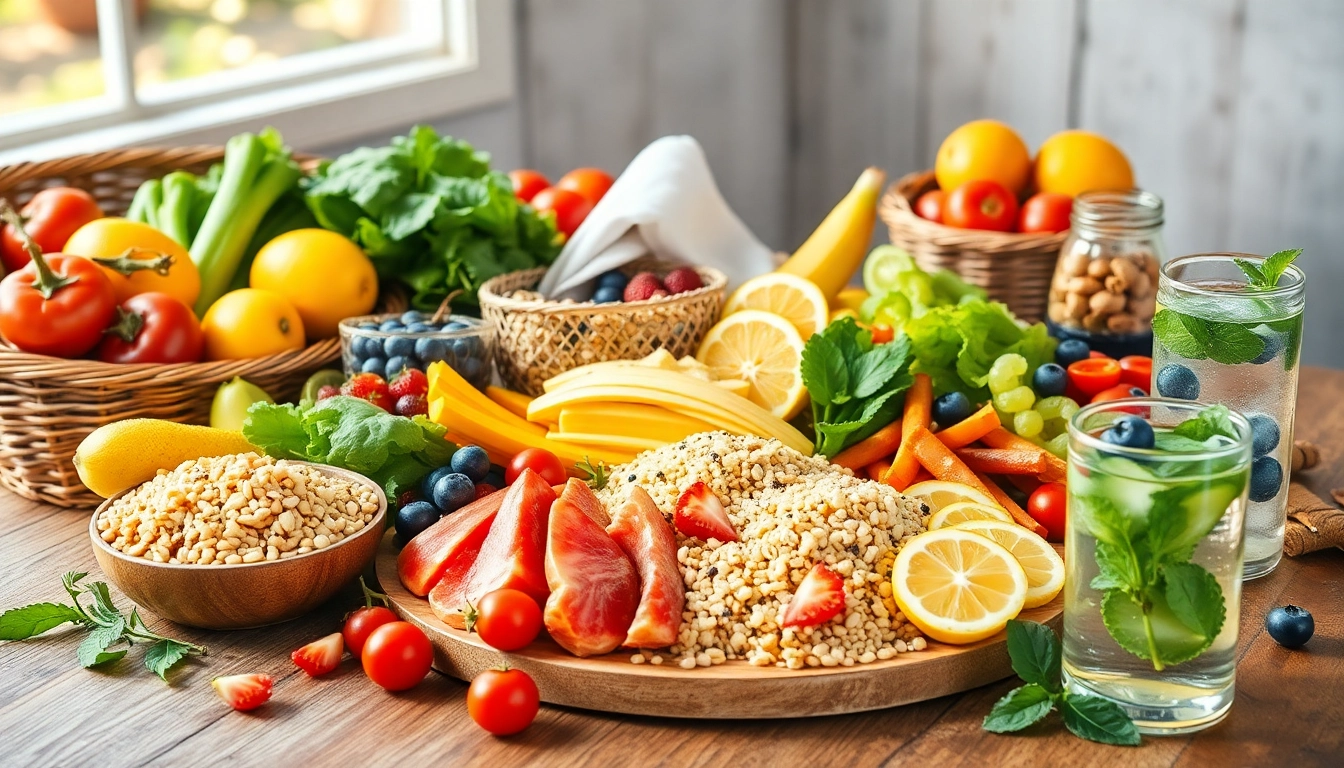
Moreover, incorporating a mix of nutrients from various sources can help to maximize health benefits. It has been suggested that aiming for a ‘rainbow plate’ — a variety of colorful fruits and vegetables — not only garners aesthetic appeal but also cultivates diverse nutrient intake. Vegetable-based meals, smoothies, and snacks can be incorporated throughout the day to promote better health.
Whole Grains for Balanced Nutrition
Whole grains are essential for a balanced diet. Unlike refined grains, whole grains contain all parts of the grain kernel — the bran, germ, and endosperm, offering more fiber, vitamins, and minerals. Foods such as brown rice, quinoa, whole wheat bread, and oats provide sustained energy by releasing carbohydrates slowly into the bloodstream, preventing spikes in blood sugar levels.
Research shows that incorporating whole grains into your meals can help in weight management and reducing the risk of heart disease. Additionally, whole grains are a considerable source of dietary fiber, which supports digestive health and a thriving gut microbiome. To reap the full benefits, aim to fill at least half your grain intake with whole grains.
Lean Proteins and Their Importance
Lean proteins are critical for muscle repair and growth, hormone production, and maintaining a healthy metabolism. Foods like chicken, turkey, fish, beans, legumes, and tofu are excellent sources of lean protein with lower levels of saturated fat compared to red meats. Regular consumption of lean proteins also helps indicate feelings of fullness, which can assist in satisfactory weight management.
For those looking to increase their protein intake without the addition of unhealthy fats, incorporating plant-based protein sources such as lentils and chickpeas can offer diverse benefits. Furthermore, eggs are an excellent source of protein; studies have shown they can improve heart health and promote healthy hair and skin. Balancing your protein intake throughout the day with meals and snacks can further sustain energy levels and curb craving-induced snacking.
Planning Your Healthy Eating Strategy
Meal Prep Ideas for Busy Lifestyles
In our fast-paced world, meal prepping has emerged as an indispensable strategy for maintaining a healthy diet. Preparing meals in advance not only saves time but also mitigates the temptation of unhealthy food choices during busy weeks. Start by setting aside a couple of hours each week to prepare meals that can be refrigerated or frozen, ensuring you always have nutritious options on hand.
Consider batch-cooking grains, grilling lean proteins, and chopping vegetables in advance. Organizing them into containers makes grab-and-go options easy for lunches or quick dinners. Planning a balanced week of meals — incorporating a variety of protein, grains, and vegetables — will help you meet your nutritional needs efficiently. Online platforms, cookbooks, and mobile apps can provide additional inspiration for meal prep ideas.
Grocery Shopping Tips for Healthy Foods
Making healthy food choices starts at the grocery store. To optimize your shopping experience, plan your meals and make a grocery list before heading out. This helps avoid impulse buys and ensures you have all the ingredients you need for nutritious meals. Stick to the perimeter of the store, where fresh produce, dairy, and meat are typically located, reducing the likelihood of purchasing processed or unhealthy options.
Look for seasonal produce as it is often more affordable and fresher. Don’t shy away from canned and frozen vegetables and fruits when fresh options aren’t available; just ensure they don’t contain added sugars or preservatives. Additionally, reading labels is crucial; familiarize yourself with identifying high-sugar and high-sodium products, and opt for items with minimal ingredients that align with your dietary needs.
Reading Labels: Identifying Healthy Options
Understanding food labels is vital in navigating a healthy diet. The Nutrition Facts label provides essential information, including serving size, calories, and nutrient breakdown. Pay attention to ingredients, which should ideally be whole foods rather than processed or artificial ingredients.
Focus on the % Daily Value provided on the label; aim to choose items that contain 20% or more of dietary fiber, vitamins, and minerals while opting for those with less than 5% for saturated fat, added sugars, and sodium. This practice fosters informed choices and guides you in selecting healthier snacks, meals, and beverages.
Addressing Challenges in Healthy Eating
Overcoming Cravings for Unhealthy Foods
Cravings can often derail healthy eating efforts. Understanding that cravings are natural and finding ways to address them is essential. Instead of giving in entirely to a desire for sugary or salty snacks, explore healthier alternatives that satisfy your cravings — for instance, opting for fruit when craving something sweet or popcorn when you’re looking for something salty.
Other strategies include practicing mindful eating, which allows you to assess your cravings and hunger levels. Drinking water, consuming protein, or engaging in an activity can often help distract from such cravings. Learning to cook healthier versions of your favorite less healthy dishes can also help satisfy those cravings without the guilt.
Strategies for Healthy Dining Out
Eating out can present challenges in maintaining a healthy diet, but with thoughtful strategies, you can enjoy dining while making healthy choices. Start by checking the restaurant’s menu online and identifying nutritious options prior to arrival. When dining out, consider splitting an entrée or going for appetizers, salads, or sides to control portion sizes.
Additionally, don’t hesitate to request modifications such as dressing on the side or substituting vegetables for fries. Awareness of hidden calories in sauces and drinks is crucial, as these can add significant amounts of sugars and fats without much nutritional value. Being mindful and intentional when dining out can lead to healthier choices without sacrificing the experience.
Staying Motivated on Your Healthy Food Journey
Staying committed to healthy eating can be challenging, particularly when faced with obstructions such as social events or busy schedules. Setting realistic and attainable goals can foster a sense of achievement. Monitor your progress and celebrate milestones with non-food rewards, such as new workout gear or self-care experiences.
Involving friends and family in your healthy eating journey can provide accountability and support. Consider meal prepping or cooking together, encouraging each other’s commitment to health. Remember, it is essential to be patient with yourself; sustainable change takes time and small, positive choices lead to lasting habits.
Tracking Your Progress and Staying Informed
Utilizing Apps and Tools for Healthy Eating
With the rise of technology in our daily lives, numerous applications and tools can aid in tracking healthy eating habits. Food tracking apps allow users to log their meals, calculate caloric intake, and analyze nutrition details. Popular options include MyFitnessPal and Lose It!, which offer extensive food databases and allow customization to personal dietary needs.
In addition to tracking food intake, many apps offer recipes, meal plans, and community support which can further enhance your healthy eating journey. Exploring these tools lets you monitor your progress effectively, establish new habits, and achieve your goals.
Understanding Nutritional Science and Research
Staying informed about nutritional science and current research is vital for making educated choices about food. Reading reputable nutrition journals, attending webinars, and following trustworthy nutritionists on social media can help you stay up to date. Understanding key nutrients and how they affect your body enhances your ability to tailor a diet that meets your needs.
Your evolving knowledge of nutritional science will empower you to decipher marketing claims and preferences in the ever-changing food landscape. With this foundation of knowledge, you can make food choices that truly benefit your health in the long run.
Community Support for Healthy Food Enthusiasts
Engaging with a community of like-minded individuals can be one of the most significant motivators on your healthy food journey. Joining groups or forums, whether online or in-person, can provide support, resources, and bridging connections with others dedicated to healthy eating.
Consider participating in cooking classes, nutrition workshops, or local farmer’s markets. Community events foster a sense of belonging and promote collaboration, encouraging individual accountability in your commitment to healthy eating. The shared experiences and collective knowledge can help enrich your understanding of healthy living.