
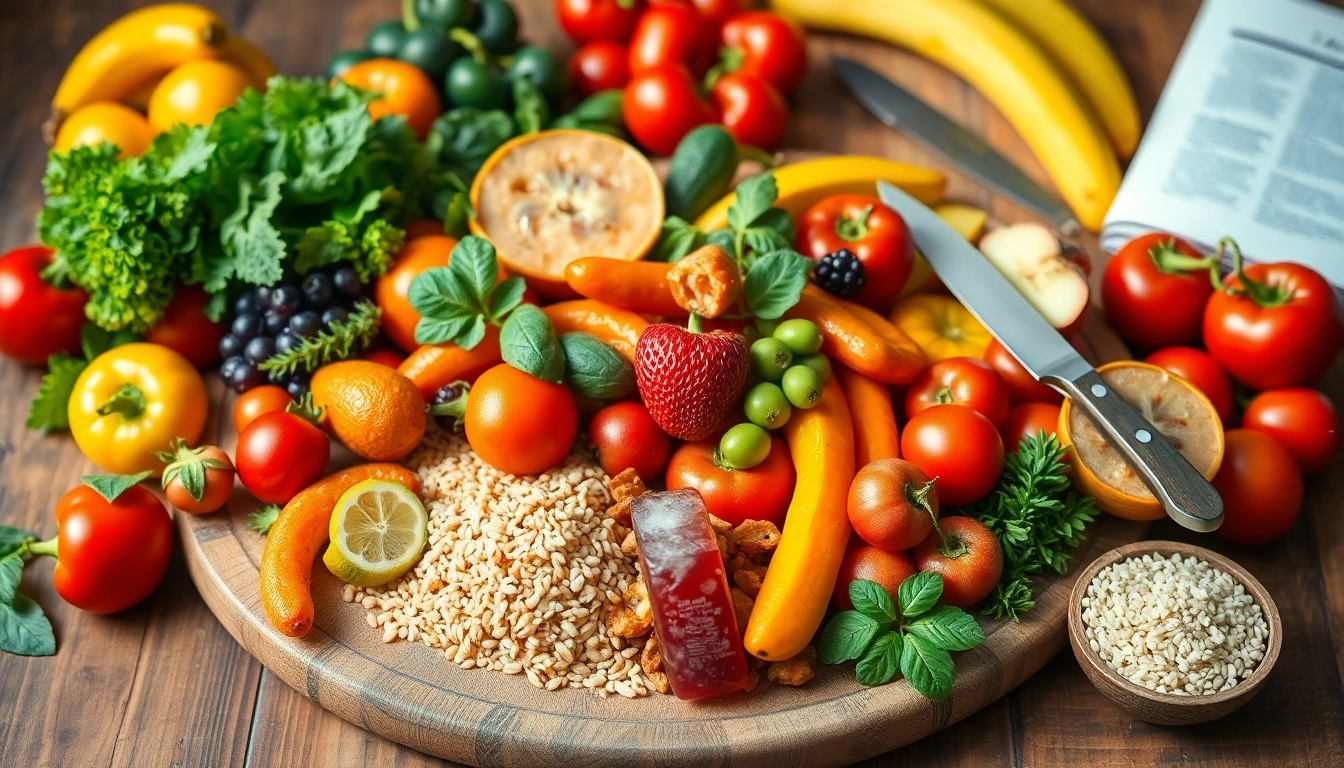
Understanding Healthy Food: What Makes It Essential?
Healthy food is more than just a dietary choice; it is a vital component of our overall well-being. Incorporating nutritious options into our meals is essential for maintaining energy levels, managing weight, and improving health. This article will thoroughly explore the components of healthy food, including its nutritional power, benefits, challenges, recipes, and how to track our progress in adopting a healthier lifestyle. As you embark on this journey of healthy eating, you’ll discover how healthy food can profoundly affect your life.
The Nutritional Power of Fruits and Vegetables
Fruits and vegetables are the cornerstone of a healthy diet, packed with essential vitamins, minerals, and antioxidants. They are low in calories and high in fiber, making them ideal for maintaining digestive health and overall wellness.
Fruits are rich sources of vitamin C, potassium, and flavonoids, which have been shown to reduce the risk of chronic diseases such as heart disease and cancer. For instance, citrus fruits like oranges and grapefruits are not only refreshing but also crucial for boosting the immune system.
Vegetables, particularly leafy greens such as spinach and kale, provide an abundant supply of nutrients like iron, calcium, and vitamins A and K. Incorporating a variety of colors into your diet ensures a range of nutrients that promote health. Here are some notable options:
- Dark leafy greens: Spinach, kale, and collard greens are excellent for bone health and reducing inflammation.
- Cruciferous vegetables: Broccoli and Brussels sprouts support detoxification processes in the body.
- Berries: Blueberries and strawberries are loaded with antioxidants, promoting heart health.
- Root vegetables: Sweet potatoes offer complex carbohydrates and fiber, which aid in digestion.
Whole Grains: The Backbone of a Healthy Diet
Whole grains play a crucial role in ensuring a balanced diet. Unlike refined grains, whole grains retain all parts of the grain kernel, which means they are a rich source of fiber, antioxidants, and other beneficial nutrients.
Switching from white bread to whole grain products like whole wheat bread, brown rice, quinoa, and oats can provide sustained energy levels and keep you feeling full longer. For example, oats are not only versatile but can also help regulate blood sugar and lower cholesterol levels.
Here are some reasons to incorporate more whole grains into your meals:
- Improved digestion: The high fiber content aids in digestion and prevents constipation.
- Heart health: Consuming whole grains has been linked to a lower risk of heart disease.
- Weight management: Whole grains help with satiety, making it easier to manage weight.
Proteins: Building Blocks of Good Health
Proteins are essential macronutrients required for muscle repair, enzyme function, and hormone production. A healthy diet must include various protein sources to ensure a complete amino acid profile.
Some of the best sources of healthy protein include:
- Lean meats: Chicken and turkey are excellent choices that provide high-quality protein with lower fat content.
- Fish: Fatty fish like salmon and mackerel are rich in omega-3 fatty acids, promoting cardiovascular health.
- Legumes: Beans, lentils, and chickpeas are great for plant-based diets and are high in fiber and protein.
- Nuts and seeds: Almonds, chia seeds, and walnuts provide healthy fats along with protein, enhancing satiety.
Benefits of Incorporating Healthy Food into Your Diet
Boosting Energy and Mood through Nutrition
Healthy food has the power to enhance our mood and energy levels. Incorporating a variety of nutritious foods ensures our body receives essential nutrients that influence our mental state and physical vitality.
Studies have shown that diets rich in fruits and vegetables can reduce symptoms of depression and anxiety, while a balanced intake of carbohydrates, proteins, and fats can help stabilize blood sugar levels. For example, including complex carbohydrates in your meals, such as whole grains and legumes, can provide a steady release of energy throughout the day.
Weight Management with Healthy Food Choices
Maintaining a healthy weight is integral to overall wellness, and diet plays a significant role in achieving this goal. By prioritizing healthy food choices, individuals can manage their weight effectively while still enjoying a variety of flavors.
Healthy foods typically have a lower calorie density and are rich in nutrients compared to processed options. By focusing on whole foods like fruits, vegetables, and lean proteins, individuals can satisfy their hunger without excess calories. Additionally, incorporating more fiber into the diet can enhance feelings of fullness and reduce the urge to snack between meals.
Improving Overall Health and Longevity
The long-term benefits of adopting a healthy dietary pattern are profound. Evidence suggests that eating a diet rich in whole, nutrient-dense foods can lower the risk of chronic diseases, enhance immune function, and promote longevity.
For instance, diets high in fruits and vegetables have been associated with a lower risk of cardiovascular disease and certain types of cancer. Furthermore, studies indicate a connection between healthy eating patterns and improved cognitive function, reducing the risk of neurodegenerative diseases.
Overcoming Common Challenges in Healthy Eating
Time Constraints: Meal Prep Strategies
One of the most significant barriers to healthy eating is the perception that it requires too much time. However, with strategic meal planning and preparation, healthy eating can be efficient and enjoyable.
Here are some effective meal prep strategies:
- Batch cooking: Prepare larger quantities of meals that can be portioned out for the week, saving cooking time each day.
- Freezing: Prepare and freeze individual portions of meals for quick access on busy days.
- Simple recipes: Choose quick, nutritious recipes that require minimal ingredients, making it easier to stick to a healthy diet.
Budget-Friendly Healthy Food Tips
Eating healthy on a budget is achievable with careful planning and smart shopping. Here are some tips to keep in mind:
- Seasonal produce: Buying fruits and vegetables in season can significantly reduce costs.
- Store brands: Often, store-brand products offer the same quality as name brands at a reduced cost.
- Plan ahead: Create a shopping list based on weekly meal plans to avoid impulse purchases.
Staying Motivated to Eat Well
Staying committed to healthy eating can sometimes be challenging. Here are some motivation-boosting tips:
- Set realistic goals: Start with small, achievable goals to avoid overwhelm and build confidence.
- Find a buddy: Partnering with a friend or family member can provide accountability and support.
- Track progress: Keep a food journal or use apps to monitor dietary habits and progress, celebrating small victories along the way.
Proven Recipes for Delicious Healthy Food
Quick and Easy Healthy Breakfast Ideas
Starting the day with a healthy breakfast is crucial. Here are some quick and nutritious options:
- Overnight oats: Combine rolled oats, chia seeds, Greek yogurt, and fruits the night before for a quick breakfast.
- Smoothie bowls: Blend fruits with spinach and yogurt, then top with nuts and seeds for added texture.
- Egg muffins: Whisk eggs with vegetables and bake them in muffin tins for easy, portable protein-packed breakfasts.
Nutritious Lunch Options to Keep You Energized
Healthy lunches can keep your energy levels steady and concentration high. Here are a few ideas:
- Quinoa salad: Combine cooked quinoa with diced vegetables, chickpeas, and a light vinaigrette for a satisfying meal.
- Wraps: Use whole grain wraps filled with lean protein like turkey, fresh greens, and hummus.
- Soup: Homemade vegetable soup can be a great option, loaded with nutrients and easy to make in batches.
Dinner Recipes to Delight You and Your Family
Evening meals can be healthy and enjoyable while satisfying the whole family. Try these delicious recipes:
- Stir-fried vegetables and tofu: Quick and colorful, stir-fried veggies with tofu in a light sauce make for an excellent dinner.
- Baked salmon: Seasoned with herbs, baked salmon served with a side of steamed vegetables is both simple and nutritious.
- Whole grain pasta: Toss whole grain pasta with cherry tomatoes, basil, and a drizzle of olive oil for a fresh dish.
Measuring Success: Tracking Your Healthy Food Journey
Setting Achievable Nutrition Goals
Setting realistic and achievable nutrition goals is paramount in transitioning to a healthy lifestyle. Aim for goals like incorporating more fruits and vegetables into daily meals or reducing sugar intake gradually.
Using the SMART criteria (Specific, Measurable, Achievable, Relevant, Time-bound) can help in formulating effective goals.
Using Apps to Monitor Your Dietary Intake
Numerous apps are available today to help monitor food intake and track progress towards nutrition goals. Options like MyFitnessPal and Cronometer allow users to log meals, track nutritional intake, and even scan barcodes for quick entries. These tools can provide valuable insights into eating habits and help identify areas for improvement.
Celebrating Milestones and Maintaining Motivation
Recognizing and celebrating your achievements is essential for sustained motivation. Whether incorporating a new healthy recipe each week or achieving a weight loss milestone, embracing these victories can keep you excited about your journey.
Consider rewarding yourself with non-food-related incentives, such as new workout gear or a relaxing day out, to reinforce positive behavior and maintain motivation.