
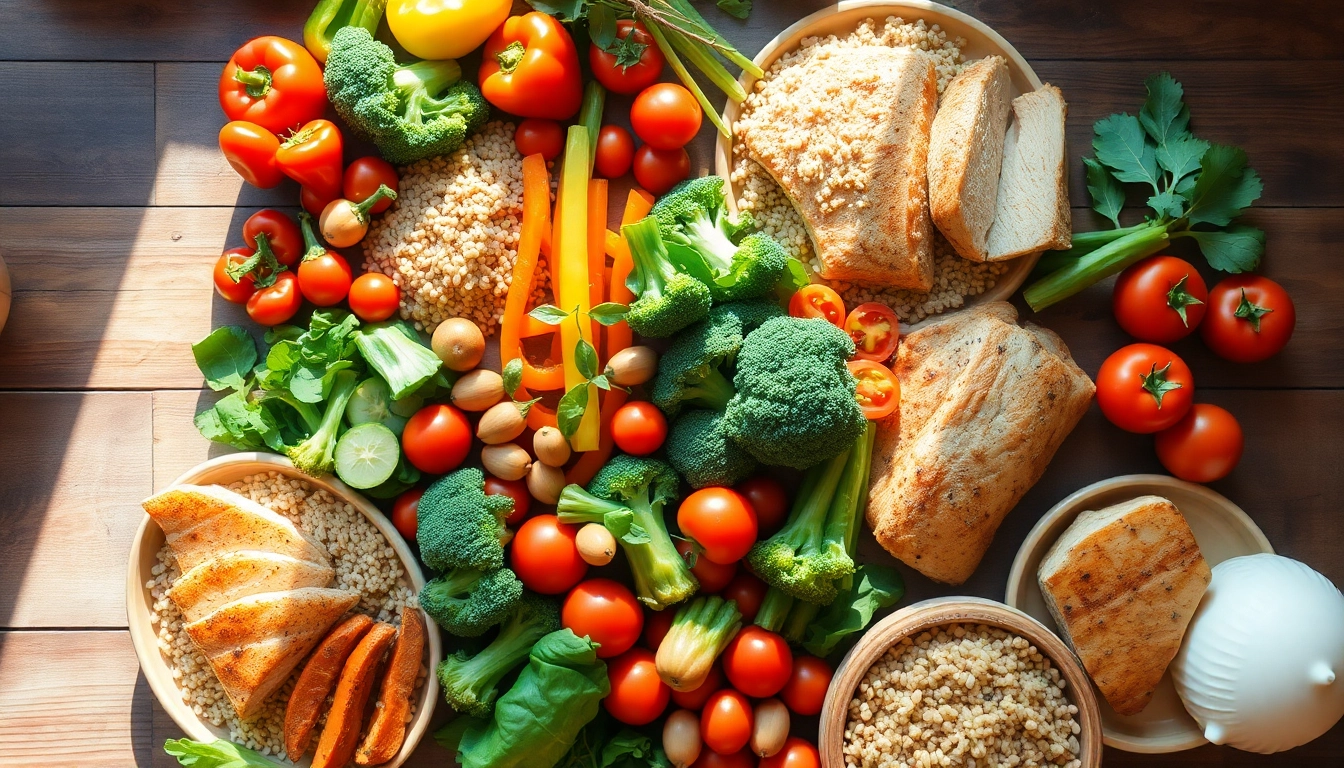
Understanding Healthy Food Choices
In a world overflowing with food options, understanding what truly constitutes healthy food can feel daunting. A healthy eating pattern is not just about choosing low-calorie or low-fat options; it encompasses a balanced diet that includes a variety of nutrients to support overall health. This article aims to explore healthy food choices, their benefits, and how to incorporate them into your daily life.
What Constitutes Healthy Food?
Healthy food can be defined through several lenses: nutritional content, digestibility, and impact on overall health. At its core, healthy food should be:
- Nutrient-Dense: Foods that provide high levels of vitamins, minerals, fiber, and antioxidants relative to their calorie content. Examples include leafy greens, fruits, whole grains, and nuts.
- Whole Foods: Minimally processed items, including fruits, vegetables, lean meats, and whole grains that retain their natural nutritional properties.
- Balanced: A diet should include all macronutrients—proteins, fats, and carbohydrates—in appropriate proportions tailored to individual health needs.
Ultimately, healthy food choices vary among individuals based on specific dietary needs, preferences, and health goals.
Health Benefits of Eating Healthy
Incorporating healthy foods into your diet can yield a plethora of health benefits:
- Weight Management: Nutrient-dense foods help promote satiety, which can aid in maintaining a healthy weight.
- Reduced Risk of Chronic Diseases: A diet rich in fruits, vegetables, lean proteins, and whole grains lowers the risk of conditions such as obesity, heart disease, diabetes, and certain cancers.
- Improved Mental Health: Foods high in omega-3 fatty acids, such as fish and walnuts, and those rich in antioxidants can have positive effects on mood and cognitive function.
- Better Digestive Health: A fiber-rich diet supports a healthy gut microbiome, reducing the chance of gastrointestinal issues.
Common Misconceptions About Healthy Food
Healthy eating is often surrounded by misconceptions that can lead to confusion. Here are a few:
- “Healthy food is always bland or unappetizing.” – In reality, healthy eating can include a wide range of flavorful and delicious foods across various cuisines.
- “All fats are bad.” – While trans fats and excessive saturated fats should be limited, healthy fats found in avocados, nuts, and olive oil are essential for nutrient absorption and overall health.
- “Following a healthy diet is expensive.” – While some healthy foods can be pricey, many options are budget-friendly, especially when bought in bulk or when focusing on seasonal produce.
Top 10 Healthy Foods to Incorporate in Your Diet
Incorporating a variety of healthy foods into your routine can provide essential nutrients and enhance overall health. Here are ten of the healthiest foods to consider adding to your diet:
Fruits and Their Nutritional Impact
Fruits are packed with vitamins, minerals, and fiber. They are an excellent source of antioxidants, which help combat oxidative stress in the body. Consider including:
- Berries: Blueberries, strawberries, and raspberries are rich in antioxidants, particularly vitamin C and dietary fiber.
- Citrus Fruits: Oranges, lemons, and grapefruits offer vitamin C and flavonoids that may reduce inflammation.
- Bananas: A great source of potassium and vitamin B6, bananas can help maintain heart health and energy levels.
Vegetables that Boost Your Immunity
Dark leafy greens and cruciferous vegetables like broccoli provide essential vitamins and minerals that support immune function. Key vegetables to include:
- Spinach: Rich in vitamins A, C, and K, spinach is an excellent source of antioxidants.
- Garlic: Contains compounds that may enhance immune response and decrease the severity of colds.
- Carrots: High in beta-carotene, carrots support vision and overall health.
Whole Grains for Sustained Energy
Whole grains are essential for providing sustained energy levels throughout the day. They are high in fiber, which supports digestive health. Some excellent options are:
- Quinoa: This complete protein contains all nine essential amino acids and is also high in fiber.
- Oats: A great breakfast choice that can lower cholesterol and stabilize blood sugar.
- Brown Rice: Provides essential nutrients and aids in energy regulation.
Healthy Food Recipes for Every Meal
Creating balanced and nutritious meals doesn’t have to be complicated. The following section offers healthy recipes tailored for every part of your day.
Healthy Breakfast Ideas to Start Your Day
Starting your day with a healthy breakfast can set a positive tone for the rest of the day. Here are a few ideas:
- Overnight Oats: Mix rolled oats with your choice of milk or yogurt, add fruits, nuts, and seeds, and refrigerate overnight for a quick breakfast option.
- Smoothie Bowls: Blend your favorite fruits with a base of spinach or kale, pour into a bowl, and top with granola, nuts, or seeds.
- Egg and Veggie Scramble: Whip together eggs with spinach, tomatoes, and onions for a protein-packed start.
Nutritious Lunch Options for Energy
An energizing lunch will help maintain productivity throughout the day. Here are some nutritious lunch ideas:
- Lentil Salad: Combine cooked lentils with diced vegetables, parsley, lemon juice, and olive oil for a filling, protein-rich meal.
- Quinoa Bowl: Layer cooked quinoa with roasted vegetables, chickpeas, and a drizzle of tahini sauce.
- Grilled Chicken Wrap: Whole-grain wraps filled with grilled chicken, greens, and your favorite sauce or dressing make for a filling and healthy lunch.
Quick and Healthy Dinner Recipes
End your day with quick and nourishing dinner options that are simple to prepare:
- Stir-Fried Tofu and Vegetables: Stir-fry tofu and a mix of your favorite vegetables in a wok with garlic, ginger, and soy sauce.
- Salmon with Lemon-Dill Sauce: Grill salmon fillets and top with a mixture of lemon juice, dill, and yogurt for a fresh flavor.
- Whole Wheat Pasta Primavera: Toss whole wheat pasta with seasonal vegetables and a light olive oil or tomato-based sauce.
Overcoming Common Barriers to Healthy Eating
Despite the known benefits, many individuals face barriers to healthy eating. The following tips can help overcome some common challenges.
Budget-Friendly Healthy Food Choices
Eating healthy doesn’t have to break the bank. Here are practical tips for budget-friendly healthy eating:
- Buy in Bulk: Purchase grains, legumes, nuts, and seeds in bulk to save money.
- Seasonal Produce: Choose fruits and vegetables that are in season and on sale.
- Plan Meals: Create meal plans and shopping lists to avoid impulse purchases and food waste.
Time-Saving Tips for Meal Preparation
With busy schedules, preparing healthy meals can be challenging. Try these time-saving meal prep tips:
- Batch Cooking: Prepare large quantities of meals on weekends and refrigerate or freeze them for quick weekday options.
- Pre-Chop Ingredients: Spend some time on weekends washing and chopping vegetables for easy access during the week.
- Utilize Kitchen Gadgets: Slow cookers, pressure cookers, and instant pots can significantly reduce cooking times.
Finding Healthy Food on the Go
Even when you’re busy, there are ways to make healthy choices on the go:
- Meal Prep Snacks: Prepare healthy snacks like protein bars, cut fruits, or raw nuts to carry with you.
- Check for Healthy Options: Familiarize yourself with local restaurants and cafes that offer healthy meal choices.
- Read Labels: When buying pre-packaged meals or snacks, always check the nutrition labels for sugar and sodium content.
Tracking Your Healthy Eating Journey
Monitoring your food intake can help in achieving your health goals. Here are effective strategies for tracking your eating habits.
Tools to Measure Your Nutrition Intake
Several tools can assist in tracking your nutrition intake:
- Mobile Apps: Apps like MyFitnessPal and Cronometer allow you to log meals and track macronutrient intake.
- Food Journals: Consider keeping a physical journal to note what you eat and any emotions or cravings associated with meals.
- Nutritional Scales: Scales can help measure portion sizes accurately, ensuring you are eating appropriate amounts.
Setting Realistic Goals for Healthy Eating
To ensure long-term success in your healthy eating journey, setting achievable goals is crucial. Here’s how to start:
- SMART Goals: Set Specific, Measurable, Achievable, Relevant, and Time-bound goals that focus on your eating habits.
- Start with Small Changes: Instead of overhauling your diet overnight, gradually incorporate healthier choices.
- Celebrate Milestones: Acknowledge and celebrate your progress, no matter how small.
Making Adjustments: Sustainable Eating Plans
Adopting a sustainable eating plan helps ensure that healthy eating is not a temporary change but a lifestyle:
- Diverse Diet: Incorporate a wide range of foods to prevent boredom and meet nutritional needs.
- Flexible Eating: Allow yourself to enjoy occasional treats without guilt to maintain a healthy relationship with food.
- Seek Expert Advice: Consulting with a registered dietitian or nutritionist can help tailor a sustainable eating plan uniquely suited to your needs.