Understanding the Importance of Healthy Food
What Constitutes Healthy Food?
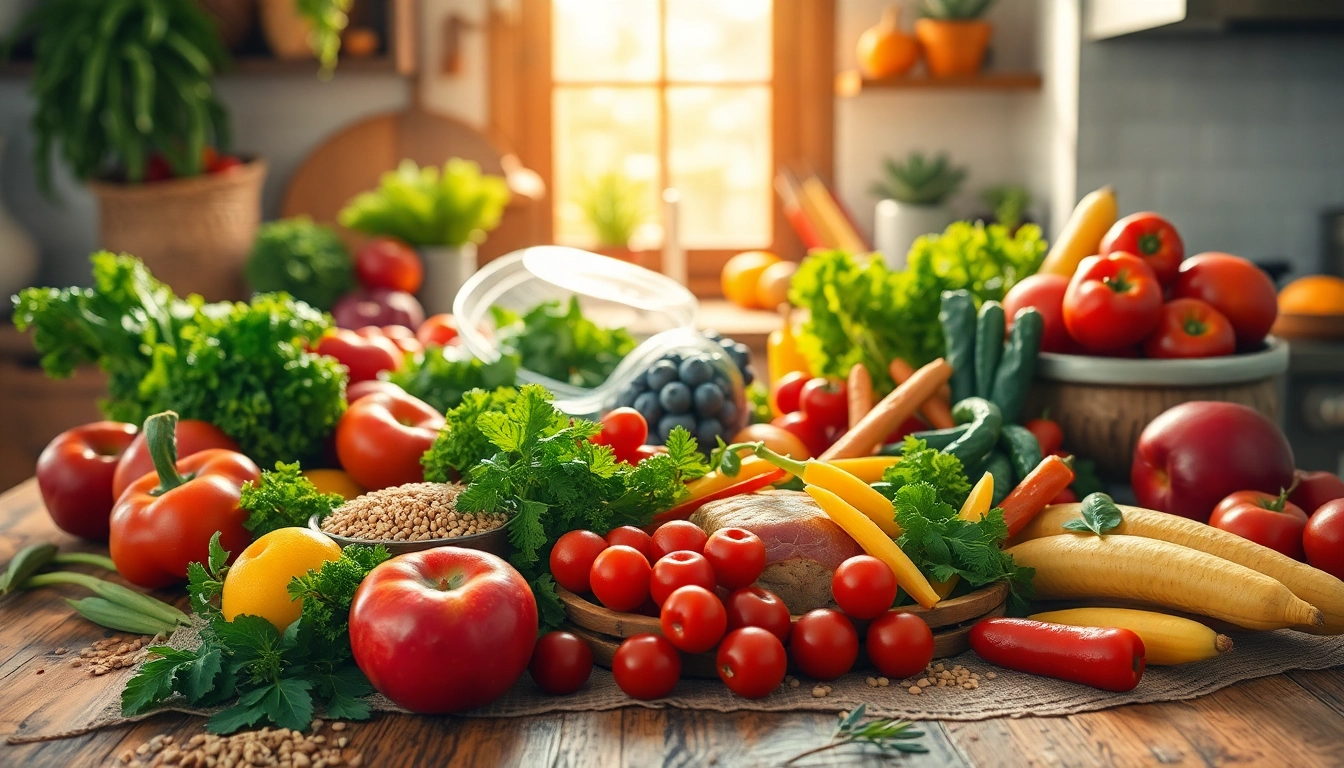
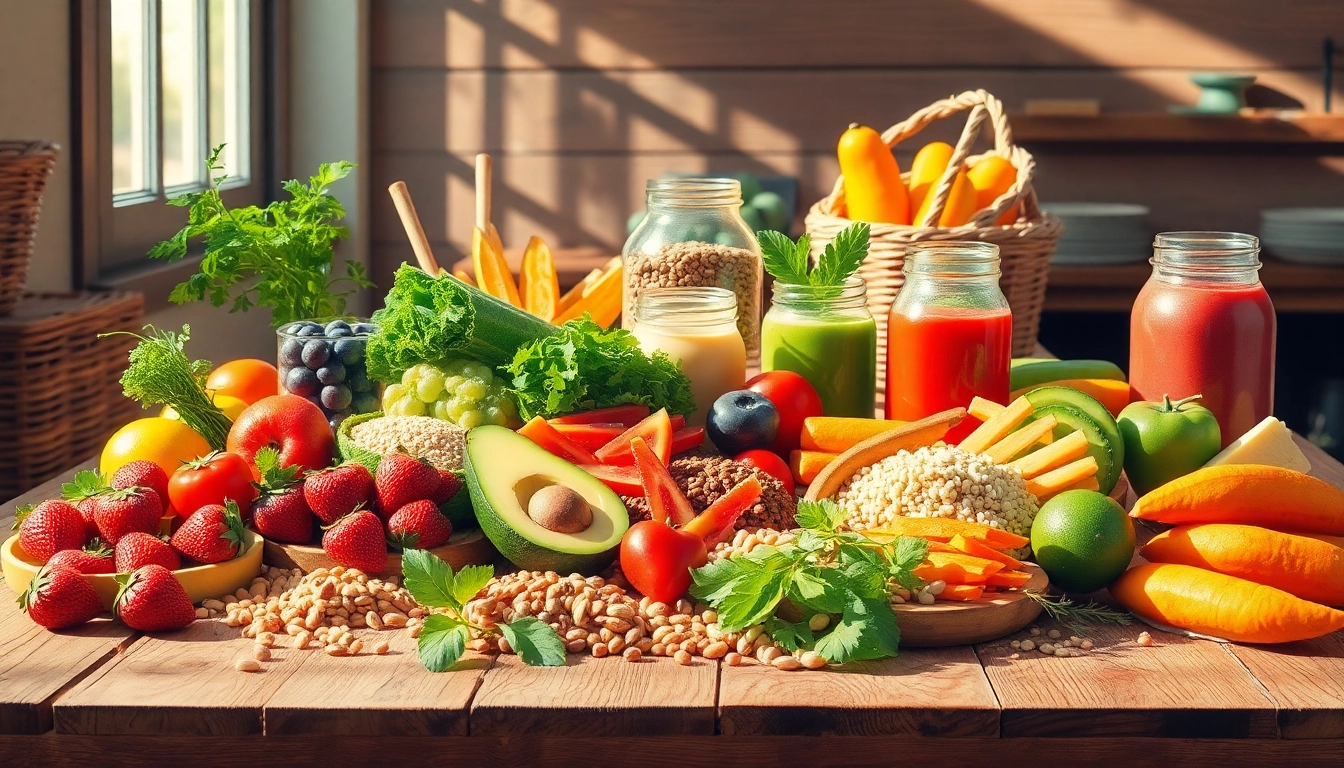
Healthy food generally refers to a variety of foods that provide essential nutrients needed by the body to maintain optimal health. These include fruits, vegetables, lean proteins, whole grains, nuts, and seeds. A balanced diet rich in these food groups helps in supporting physical health, enhancing mental well-being, and preventing chronic diseases. It’s important to distinguish between “healthy” and “unhealthy” foods, as the latter often refer to highly processed items laden with added sugars, unhealthy fats, and artificial ingredients.
Health Benefits of Eating Well
Eating well brings a myriad of health benefits, both physically and mentally. Regularly consuming healthy foods can lead to a lower risk of chronic diseases such as heart disease, diabetes, and certain cancers. Nutrient-dense foods contribute to better body weight management, improved digestion, and enhanced mood stability. Additionally, eating a balanced diet can boost cognitive function and memory, leading to better performance in daily activities and decisions.
Common Misconceptions about Healthy Eating
Despite the overwhelming evidence supporting healthy eating, several misconceptions persist. One common myth is the perception that healthy food must be bland or uninteresting. In reality, healthy foods can be incredibly flavorful and diverse when prepared creatively. Another misconception is that healthy eating is too expensive. While some organic products may cost more, many healthy foods like grains, beans, and seasonal produce can be budget-friendly. Understanding these misconceptions can help shift attitudes towards healthier food choices.
How to Incorporate Healthy Food into Your Diet
Simple Meal Prepping Ideas
Meal prepping can simplify healthy eating by ensuring that nutritious options are readily available. Start by dedicating a day (often Sunday) to prepare meals for the upcoming week. Cook larger portions of grains or proteins and store them in individual containers. Chop and portion vegetables for sautéing or salads. Consider preparing items that are easy to freeze, like soups or stews. Batch cooking can save time and reduce the temptation to opt for less healthy options during the week.
Healthy Food Swaps for Your Favorite Recipes
Healthy substitutions in your favorite recipes can significantly cut down on calories and enhance nutritional value. For instance, replace white rice with quinoa or brown rice, use Greek yogurt instead of sour cream, or opt for whole grain flour instead of white flour in baking. Adding more fibers, like chia or flax seeds, to smoothies can also increase their nutritional density. Small swaps can lead to substantial health benefits over time without sacrificing flavor.
Portion Control: Eating Mindfully
Mindful eating is a powerful practice that focuses on being present during meals. It encourages paying attention to hunger and satiety cues, which can prevent overeating. Utilize smaller plates to help control portions visually. Stay conscious of distractions during meals—like watching television or scrolling on your phone—that may lead to mindless eating. Savoring each bite can also heighten the enjoyment of food and enhance the satisfaction derived from meals.
Identifying Healthy Food Choices at the Grocery Store
Reading Food Labels Effectively
Understanding food labels is essential to making informed grocery choices. Start by looking at the ingredient list; ideally, the first few items should be whole foods. Pay attention to serving sizes and nutritional content, including total sugars, sodium, and fiber. Healthier options typically contain fewer added sugars and higher amounts of essential nutrients. Familiarize yourself with common food labeling terms such as “low fat,” “reduced sugar,” and “whole grain” to help guide your purchases.
Choosing Whole Foods Over Processed
Focusing on whole foods—items that are minimally processed—can dramatically improve your diet. Incorporate fresh fruits, vegetables, whole grains, and lean proteins into your shopping list. Items like frozen vegetables or canned beans can simplify meal preparation while still providing great nutrition. Avoid foods with long ingredient lists that contain additives or preservatives, as these often indicate heavily processed options that are less healthful.
Seasonal Produce: Why It Matters
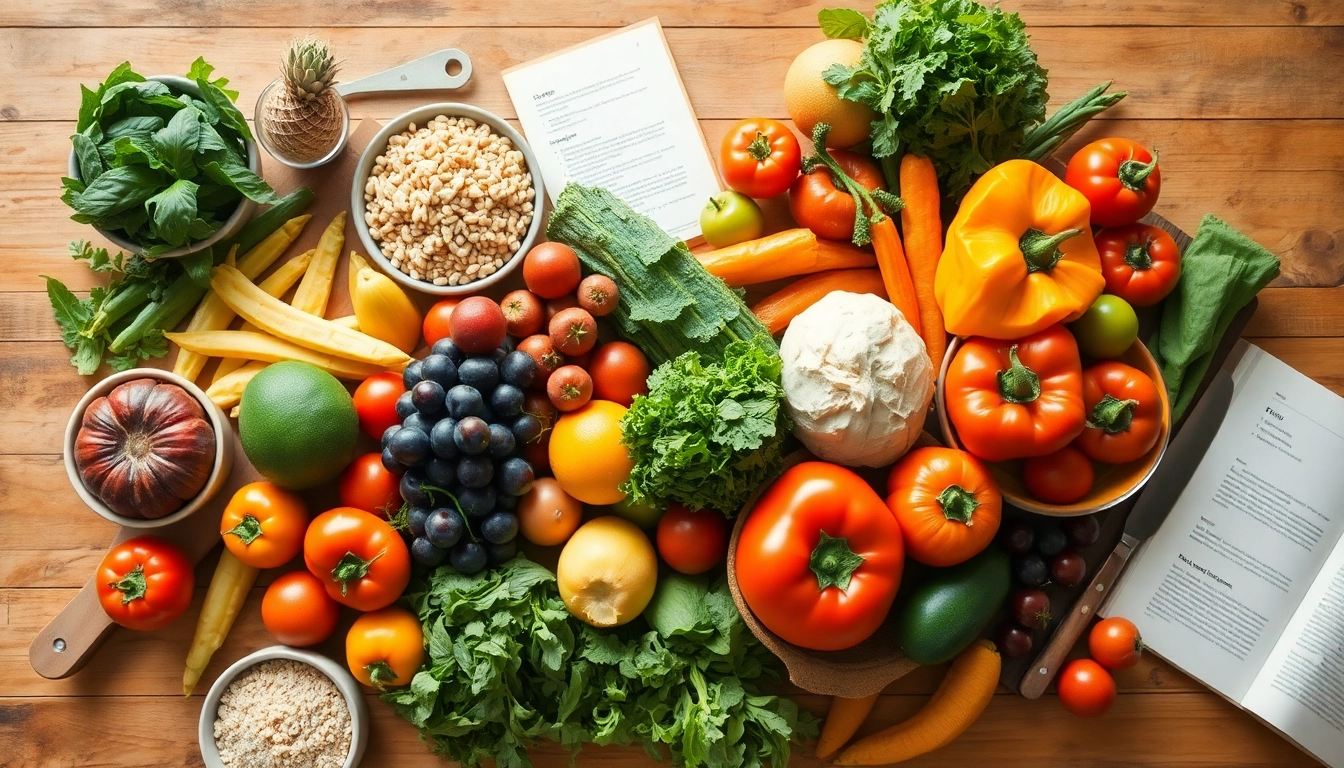
Eating with the seasons not only supports sustainable farming but also provides produce at its nutritional peak. Seasonal fruits and vegetables tend to be fresher, tastier, and richer in nutrients. Explore local farmer’s markets and check for available seasonal produce in your area. Investing in seasonal ingredients can enhance your meals’ flavors and nutritional quality while also supporting local economies.
Creative Recipes Using Healthy Food
Breakfast Ideas to Kickstart Your Day
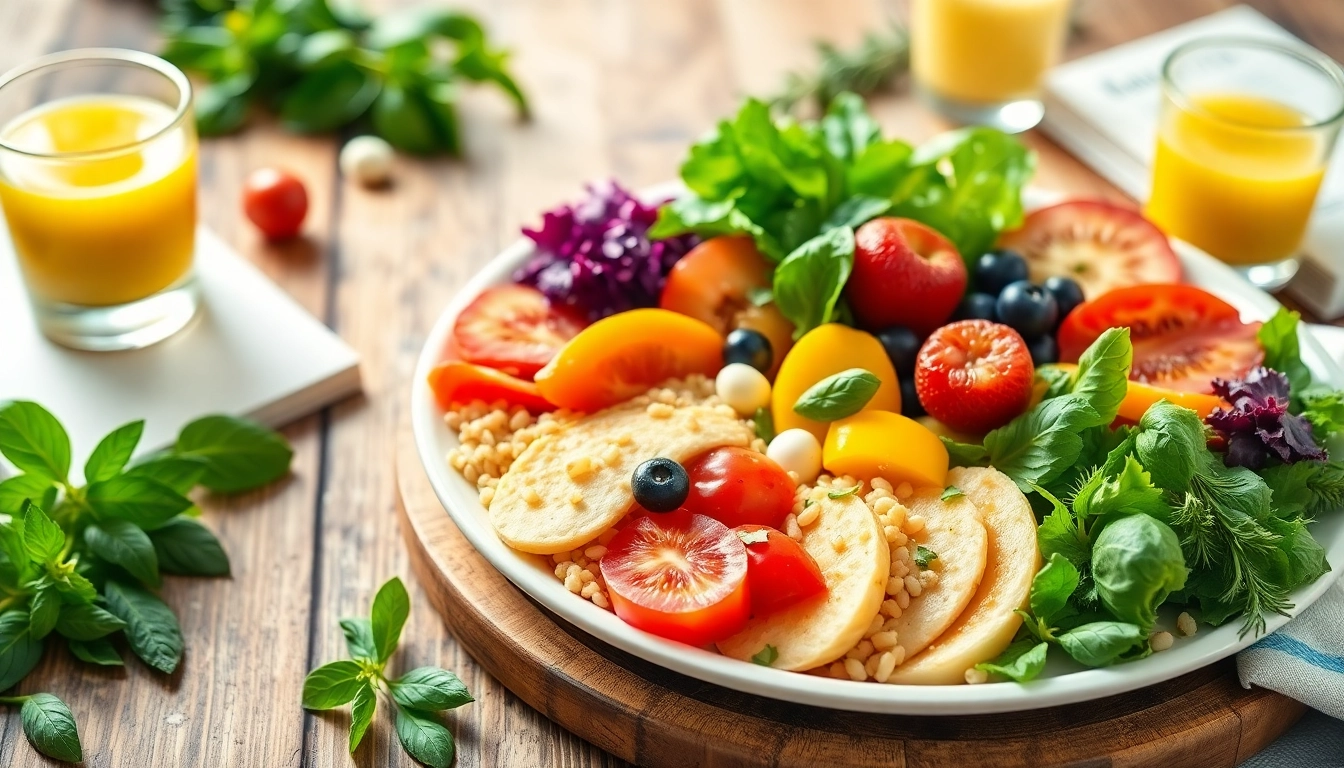
A nutritious breakfast sets the tone for a healthy day. Consider options such as overnight oats topped with fresh berries and nuts, smoothie bowls loaded with spinach, bananas, and almond milk, or eggs scrambled with colorful vegetables like spinach and bell peppers. Incorporating a source of protein and healthy fats will provide lasting energy and keep you satisfied until lunchtime.
Nutritious Lunch Recipes for Busy Schedules
Maintaining healthy eating habits during busy workweeks can be challenging but manageable with the right meal plans. Prepare whole grain wraps filled with hummus, leafy greens, and sliced turkey. Mason jar salads with layers of vegetables, chickpeas, and quinoa are both visually appealing and easy to prep in advance. Leftover dinners can also serve as convenient, nutritious lunches when packed properly.
Delicious Dinner Options That Are Easy to Prepare
Dinner is the opportunity to wind down and fuel your body healthfully. Simple stir-fries with lean protein, like chicken or tofu, and a variety of vegetables are quick to cook and highly customizable. Batch-prepped grain bowls or sheet pan dinners featuring seasonal vegetables and a protein source can simplify the cooking process. Don’t forget to include herbs and spices to enhance flavors without adding calories.
Staying Motivated on Your Healthy Eating Journey
Tracking Your Progress and Adjusting Goals
Monitoring your dietary habits can help you identify strengths and areas for improvement. Consider keeping a food journal or using digital apps that track your meals and nutritional intake. Set realistic short-term and long-term goals, and ensure you regularly review your progress. This reflective practice helps to maintain motivation and adjust your strategies as necessary, ensuring continued success in your healthy eating journey.
Finding Community Support for Healthy Living
Engagement in a community dedicated to healthy living can provide motivation and social support. Join local fitness groups, cooking classes, or online forums that focus on healthy eating. Sharing experiences, recipes, and challenges with others can foster an encouraging environment. Positive reinforcement from peers can inspire you to stay committed and reach your health goals more effectively.
Making Healthy Eating Fun and Sustainable
To maintain healthy eating long-term, find ways to make it enjoyable. Experiment with new recipes and challenge yourself to try a new vegetable each week. Involve friends and family in meal preparation to make it a fun routine. Celebrate successes and allow for indulgences occasionally to prevent feelings of deprivation. A sustainable approach to healthy eating integrates the principles of nutrition into a lifestyle, rather than viewing it solely as a temporary diet.