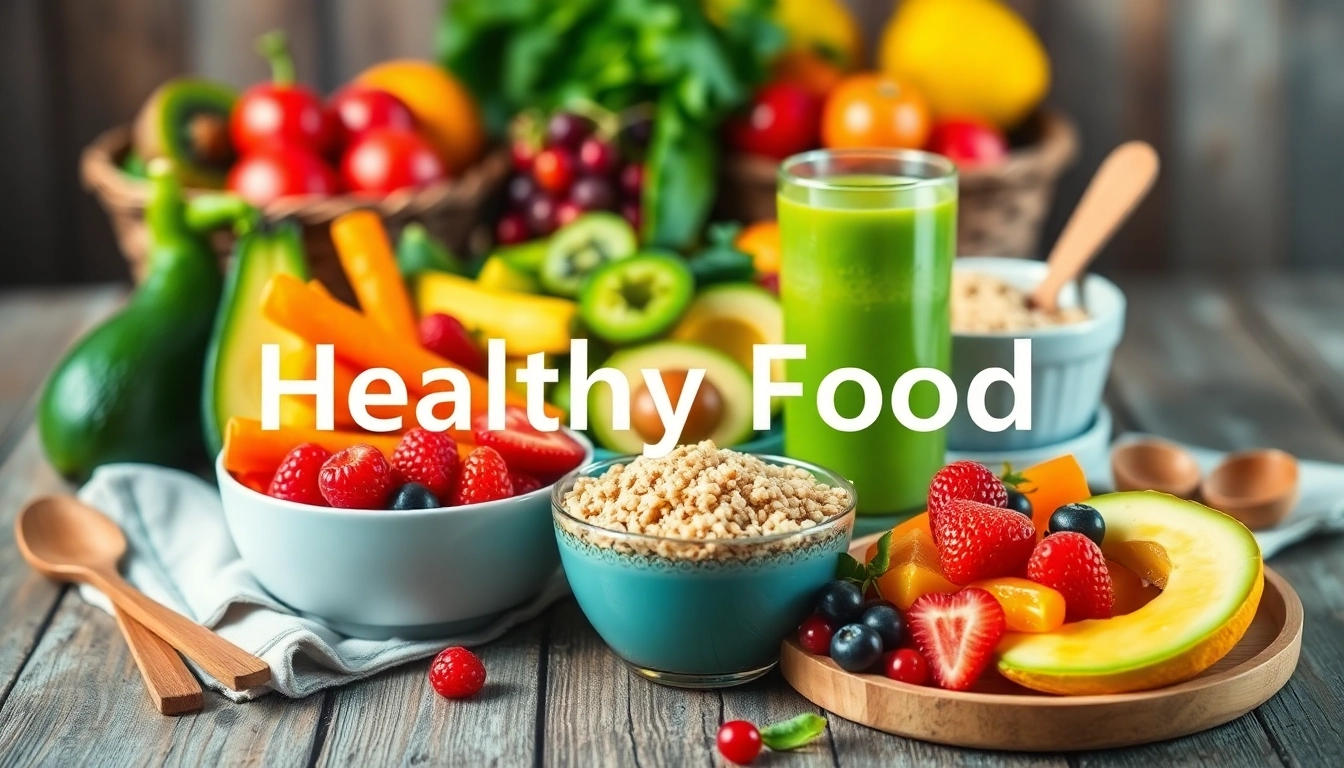

Understanding the Importance of Healthy Food
Healthy eating is not just a trend; it’s a necessity for maintaining overall health and well-being. With increasing rates of obesity and associated diseases, understanding the significance of healthy food is more crucial than ever. Healthy food encompasses a wide range of nutritious items that can help improve your physical and mental health, boosting your mood, enhancing your immunity, and supporting long-term health.
What Constitutes Healthy Food?
Healthy food typically includes a variety of fruits, vegetables, whole grains, lean protein, and healthy fats. These nutrient-dense foods provide essential vitamins, minerals, and other beneficial compounds like antioxidants. Here are some key components of healthy foods:
- Fruits and Vegetables: Rich in vitamins, minerals, and fiber, aiding digestion and overall health.
- Whole Grains: Foods like brown rice, oats, and whole wheat pasta that provide energy and essential nutrients.
- Lean Proteins: Sources such as chicken, fish, legumes, and nuts that are crucial for muscle repair and growth.
- Healthy Fats: Unsaturated fats found in avocados, olive oil, and fatty fish that support heart health.
Benefits of Including Healthy Foods in Your Diet
The benefits of consuming healthy foods are vast. Here’s an overview of the major advantages:
- Weight Management: Healthy foods are generally lower in calories and higher in nutrients, making them ideal for weight control.
- Enhanced Mood: A balanced diet can improve mental health, with studies linking certain nutrients to mood regulation.
- Increased Energy Levels: Nutrient-rich foods provide the body with the fuel needed to maintain high energy levels throughout the day.
- Better Immunity: Foods rich in vitamins and minerals, such as fruits and vegetables, can strengthen the immune system.
Common Misconceptions About Healthy Eating
Despite the well-documented benefits, many misconceptions about healthy food persist:
- Healthy Food is Boring: Healthy eating can be exciting and varied, with countless recipes exploring different cuisines.
- Healthy Food is Expensive: While some health foods can be pricey, many affordable options like beans, oats, and seasonal produce are both nutritious and budget-friendly.
- You Have to Give Up Your Favorite Foods: It’s possible to enjoy your favorite foods in moderation while still maintaining a healthy overall diet.
Identifying Healthy Food Options
Top 10 Healthy Foods to Incorporate Daily
Here’s a list of ten healthy food options you can easily incorporate into your daily diet:
- Leafy Greens: Spinach, kale, and Swiss chard are packed with vitamins and minerals.
- Berries: Blueberries, strawberries, and raspberries are high in antioxidants and fiber.
- Salmon: A great source of omega-3 fatty acids and protein.
- Quinoa: A complete protein and a gluten-free grain high in fiber.
- Greek Yogurt: Rich in probiotics and protein, beneficial for gut health.
- Nuts: Almonds, walnuts, and pistachios are nutritious snacks high in healthy fats.
- Legumes: Beans and lentils are excellent sources of protein and fiber.
- Sweet Potatoes: Packed with vitamins A and C, a great carbohydrate source.
- Garlic: Known for its anti-inflammatory properties and ability to boost immunity.
- Oats: High in fiber and support heart health.
How to Read Nutrition Labels Effectively
Understanding nutrition labels is crucial for making informed food choices. Here’s how to effectively read a nutrition label:
- Serving Size: Pay attention to the serving size as all nutritional information is based on this.
- Calories: Monitor your caloric intake, particularly if you’re managing your weight.
- Macronutrients: Check for total fats, carbohydrates, and proteins. Aim for balance.
- Vitamins and Minerals: Look for percent daily value (%DV) to see how much a nutrient contributes to your daily diet.
Healthy Food Swaps for Common Ingredients
Incorporating healthy food options can often be as simple as swapping out some common ingredients. Here are some easy swaps:
- White Rice for Quinoa: Quinoa has more protein and fiber compared to white rice.
- Regular Pasta for Whole Wheat Pasta: Whole wheat has more fiber and nutrients.
- Regular Soda for Sparkling Water: Reduces sugar consumption while providing hydration.
- Butter for Avocado: Avocado offers healthy fats with a creamy texture.
Meal Planning for Healthy Eating
Creating a Balanced Meal Plan
A balanced meal plan is integral to healthy eating. Here are steps to create one:
- Assess Your Nutritional Needs: Consider age, sex, activity level, and personal health goals.
- Plan Your Meals: Include all food groups in your meals—proteins, whole grains, vegetables, and healthy fats.
- Prepare in Advance: Meal prep on weekends or set aside some time during the week to cook healthy meals.
- Stay Flexible: Don’t be afraid to swap meals or ingredients based on availability or preference.
Quick and Healthy Snack Ideas
Having healthy snacks on hand can prevent unhealthy eating habits. Here are some quick snack ideas:
- Fruit with Nut Butter: A great mix of protein, fats, and sweetness.
- Veggies and Hummus: Crunchy vegetables paired with protein-rich hummus.
- Greek Yogurt with Berries: Combines probiotics and antioxidants.
- Hard-Boiled Eggs: A high-protein, portable option.
Using Seasonal Produce for Healthier Meals
Incorporating seasonal produce not only enhances the flavor of your meals but also supports nutrition and sustainability. Here’s how:
- Buy Local: Support local farmers by choosing in-season fruits and vegetables.
- Experiment with New Ingredients: Seasonally available produce encourages creativity in the kitchen.
- Plan Seasonal Dishes: Create recipes that highlight the peak flavors of the season.
Overcoming Challenges to Healthy Eating
Common Barriers to Choosing Healthy Food
Many people find it challenging to maintain a healthy diet due to various barriers. Common challenges include:
- Time Constraints: Busy lifestyles often lead to convenience eating.
- Lack of Knowledge: Not knowing how to prepare healthy meals can be a deterrent.
- Social Influences: Social gatherings can lead to unhealthy eating.
Strategies to Stay Motivated in Your Healthy Journey
Staying motivated while pursuing health goals can be challenging, but implementing these strategies can help:
- Set SMART Goals: Specific, measurable, achievable, relevant, and time-bound goals can create clarity and motivation.
- Document Your Progress: Keep a food diary or use apps to track meals and health metrics.
- Join a Community: Surround yourself with supportive friends or groups that share similar health goals.
Involving Family in Healthy Cooking
Getting the whole family involved in healthy cooking can make it more fun and less daunting. Here’s how:
- Cook Together: Make it a family activity to prepare meals, promoting bonding while learning skills.
- Learn About Nutrition: Educate family members on the benefits of healthy eating.
- Incorporate Everyone’s Preferences: Involve each family member by including their favorite healthy foods.
Evaluating Your Progress with Healthy Eating
Setting Realistic Goals for Healthy Eating
When evaluating your diet, it’s crucial to set realistic expectations. Here are tips for setting achievable goals:
- Start Small: Begin with manageable changes, like incorporating more vegetables into meals.
- Be Specific: Define exactly what healthy eating means for you.
- Track Your Goals: Use journals or apps to monitor your progress and make adjustments.
How to Track Your Food Intake
Tracking food intake helps maintain accountability and awareness of eating habits. Methods include:
- Food Journals: Write down everything you eat in a notebook or a digital app.
- Nutrition Tracking Apps: Utilize technology to log meals, track calorie intake, and analyze dietary habits.
- Weekly Reviews: Set aside time weekly to assess your food intake and make necessary adjustments.
Adjusting Your Diet for Optimal Health
Adjusting your diet as necessary is essential for continued progress and health improvements. Key practices include:
- Listen to Your Body: Understand how different foods affect your energy and mood.
- Consult Professionals: If needed, seek advice from dietitians or nutritionists for personalized guidance.
- Stay Informed: Keep up-to-date with new research on nutrition and health trends to make informed choices.