Understanding Healthy Food Choices
What is Healthy Food?
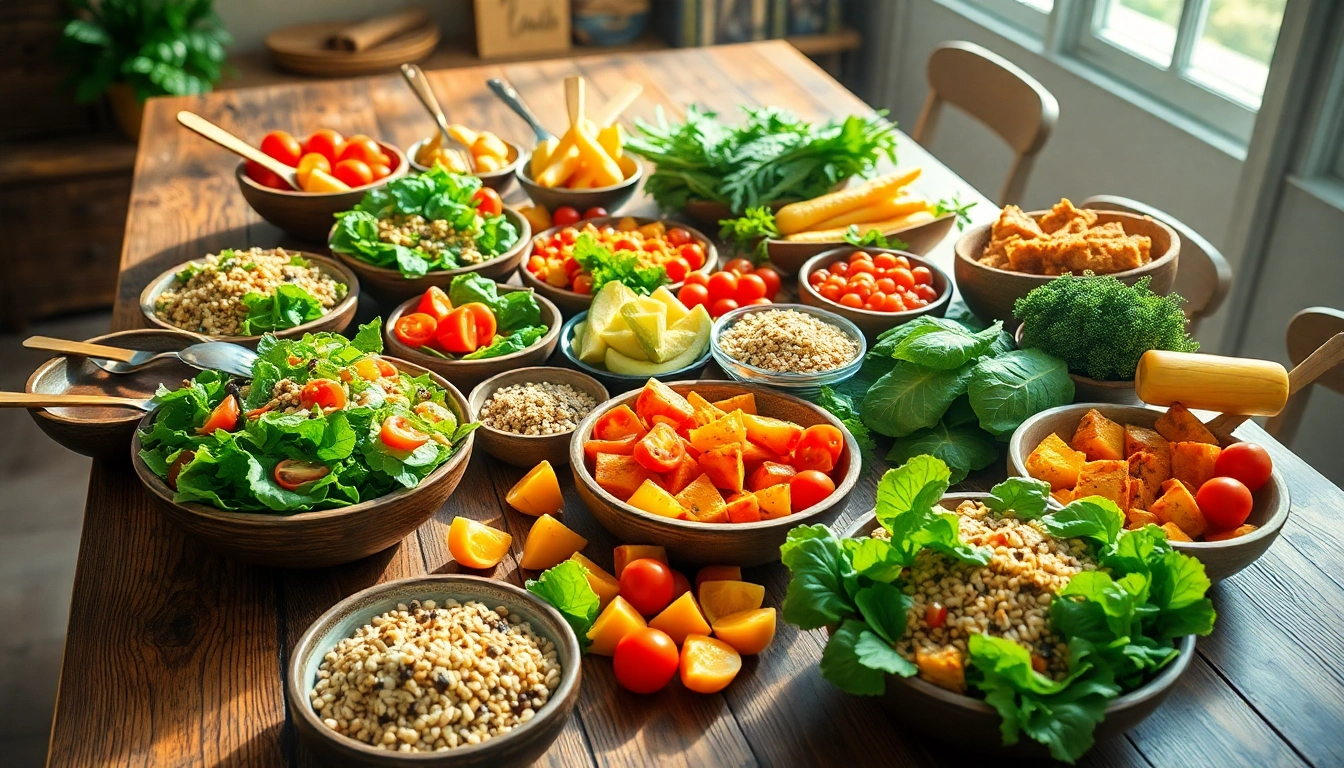
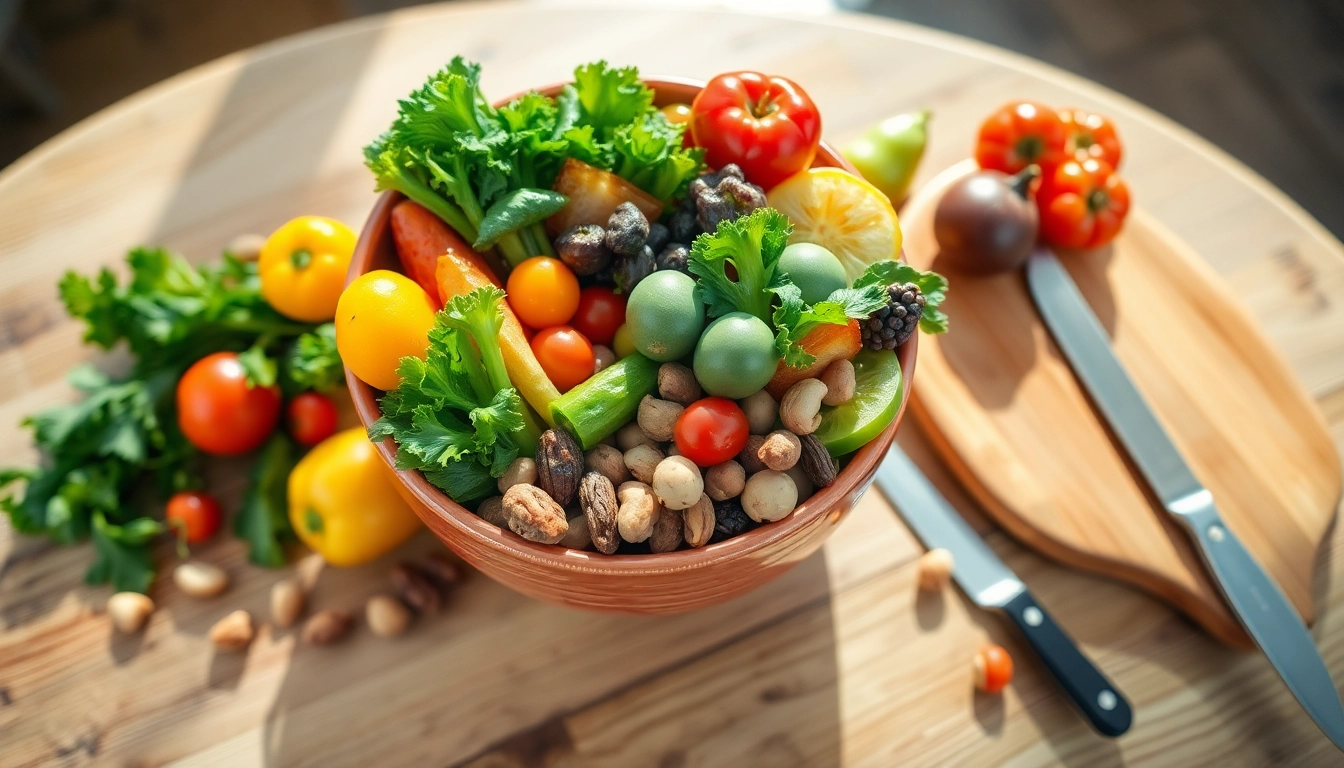
Healthy food can be defined as food that provides the nutrients necessary for overall health and well-being. This includes a variety of organic items, such as fruits, vegetables, whole grains, lean proteins, and healthy fats. Unlike processed foods that may contain high levels of sugars, unhealthy fats, and preservatives, healthy foods are packed with vitamins, minerals, fiber, and antioxidants critical for bodily functions. Incorporating a diverse range of healthy food options into our diets can help ensure that we are feeding our bodies the resources it needs to thrive.
Benefits of Eating Healthy Food
Eating a healthy diet comes with a myriad of benefits. Primarily, it can help reduce the risk of chronic diseases such as obesity, diabetes, heart disease, and certain cancers. Here are some specific advantages:
- Weight Management: Healthy foods can be lower in calories and higher in nutrients, aiding weight loss and maintenance.
- Improved Mood: Diets rich in whole foods can positively affect mental health, reducing symptoms of depression and anxiety.
- Increased Energy Levels: Whole grains and proteins provide sustained energy without the crash that comes with sugary foods.
- Enhanced Immune Function: Nutrient-dense foods support the immune system, helping the body fight off illnesses.
Common Misconceptions About Healthy Food
There are several common misconceptions regarding healthy foods that can lead to misunderstandings about nutrition:
- All fats are bad: Not all fats are detrimental; healthy fats, such as those found in avocados and nuts, are beneficial for heart health.
- Carbs are the enemy: Complex carbohydrates—like those found in whole grains—are essential for energy and should be included in a balanced diet.
- Diet means deprivation: A healthy food lifestyle focuses on abundance, variety, and moderation rather than strict deprivation.
Key Components of a Healthy Diet
Fruits and Vegetables: The Foundation of Healthy Food
Fruits and vegetables are the cornerstones of any healthy diet, serving as the primary source of essential vitamins, minerals, and fiber. The benefits of incorporating a rainbow of fruits and vegetables into your meals include:
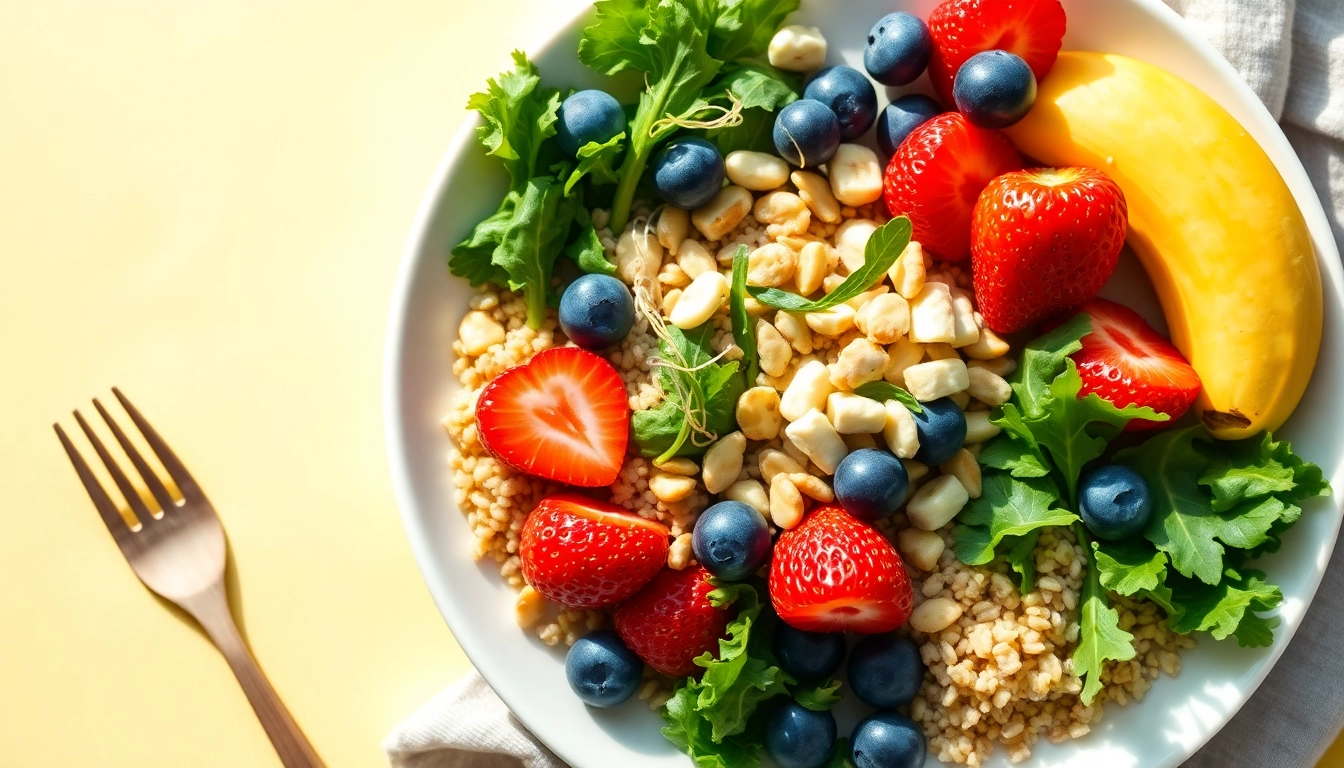
- High Nutritional Value: Different colors signify different nutrients; for example, leafy greens provide iron and folate while berries are rich in antioxidants.
- Low in Calories: These foods are typically low in calories, allowing you to consume a larger volume without weight gain.
Whole Grains vs. Refined Grains in Healthy Diet
Whole grains, such as brown rice, quinoa, and oats, contain the entire grain kernel and are a vital part of a healthy diet. They offer fiber, B vitamins, and various minerals. On the other hand, refined grains like white bread have been processed to remove the bran and germ, which strips away much of their nutritional content. Understanding the difference between these grains is crucial:
- Whole Grains Aid Digestion: The fiber in whole grains helps with digestive health.
- Stable Blood Sugar Levels: Whole grains do not spike blood sugar as quickly as refined grains, making them a healthier choice for energy levels.
Healthy Proteins: Understanding Plant-Based and Animal Sources
Proteins are essential for building and repairing tissues, making them a critical component of a healthy diet. Sources of protein can be categorized into animal-based (meat, dairy, fish) and plant-based (legumes, nuts, seeds). Each type has its own benefits:
- Animal-Based Proteins: Generally contain all essential amino acids and are rich in vitamins like B12.
- Plant-Based Proteins: Often lower in fat, high in fiber, and beneficial for heart health.
Creative Ways to Incorporate Healthy Food into Your Diet
Quick and Easy Healthy Food Recipes
Eating healthy doesn’t have to be complicated or time-consuming. Here are some quick recipes that can be made in under 30 minutes:
- Quinoa Salad: Mix cooked quinoa with diced cucumbers, tomatoes, parsley, and a lemon-olive oil dressing for a refreshing meal.
- Stir-Fried Vegetables: Sauté seasonal vegetables in olive oil with garlic, ginger, and soy sauce for a quick side dish.
Meal Prep Ideas for Healthy Eating
One of the most successful strategies for maintaining a healthy diet is meal prepping. This involves preparing healthy meals in bulk for the week ahead. Here’s how you can do it:
- Choose Your Recipes: Pick healthy recipes that store well in the fridge, such as stews and casseroles.
- Allocate Time: Dedicate a few hours each week to cook and portion your meals.
- Invest in Storage Containers: Use clear, BPA-free containers to keep your meals organized.
Healthy Food Substitutions in Everyday Cooking
Making simple substitutions in your cooking can enhance the nutritional value of your meals without sacrificing flavor:
- Replace white rice with cauliflower rice.
- Use Greek yogurt instead of sour cream or mayonnaise.
- Substitute whole wheat flour for white flour in baking.
Challenges in Maintaining a Healthy Diet
Overcoming Cravings for Unhealthy Food
Cravings can derail even the most committed among us. Understanding the psychology behind cravings is crucial to overcoming them. Techniques include:
- Mindful Eating: Focus on your meals, savor the flavors, and listen to your body’s hunger cues.
- Healthy Alternatives: Keep healthy snack options on hand, such as fruits or nuts, to satisfy cravings without overindulging.
Understanding Portion Control with Healthy Food
Portion control is essential for maintaining a healthy diet. Misjudging portion sizes can lead to overeating, even when consuming healthy foods. Implement strategies like:
- Use Smaller Plates: This can trick your brain into thinking you’re eating more.
- Know Your Serving Sizes: Familiarize yourself with standard serving sizes to better manage portions.
Dealing with Peer Pressure When Eating Out
Eating out can pose social challenges, especially when around peers who may not prioritize healthy eating. Strategies to navigate this include:
- Research Menus: Before dining out, review the menu online to identify healthy options.
- Order First: Ordering your meal early can prevent you from being swayed by others’ choices.
Tracking Your Health with Healthy Food Choices
Using Apps to Monitor Healthy Eating
Leveraging technology can aid in maintaining a healthy diet. Numerous apps are available to help track food intake and promote healthy habits:
- MyFitnessPal: This popular app allows you to log meals, monitor calories, and track macronutrients.
- Lose It! Focuses on weight loss and offers support through a community feature.
Setting Goals Around Healthy Food Choices
Establishing personal health goals can significantly impact your dietary habits. SMART goals (Specific, Measurable, Achievable, Relevant, Time-bound) can provide direction and motivation:
- Specific: Aim to eat five servings of fruits and vegetables daily.
- Measurable: Track your progress weekly using a journal or app.
- Achievable: Set goals that align with your lifestyle.
- Relevant: Choose goals that matter to you personally.
- Time-bound: Set deadlines for achieving these goals.
Evaluating the Impact of Healthy Food on Your Wellness
Regularly evaluating how healthy eating affects your overall well-being can encourage persistence. Metrics to consider include:
- Energy levels: Track any changes in daily energy.
- Health markers: Monitor weight, blood pressure, and other health indicators at routine check-ups.
- Mood shifts: Reflect on any emotional changes resulting from dietary choices.