Understanding Healthy Food Choices
In today’s fast-paced world, making healthy food choices is more crucial than ever. With an abundance of information available, it can be challenging to discern what constitutes healthy food. Eating well is about balance, accessibility, and understanding our own bodies’ needs. By focusing on healthy food options, we can profoundly impact our health, mood, and overall well-being.
What Constitutes Healthy Food?
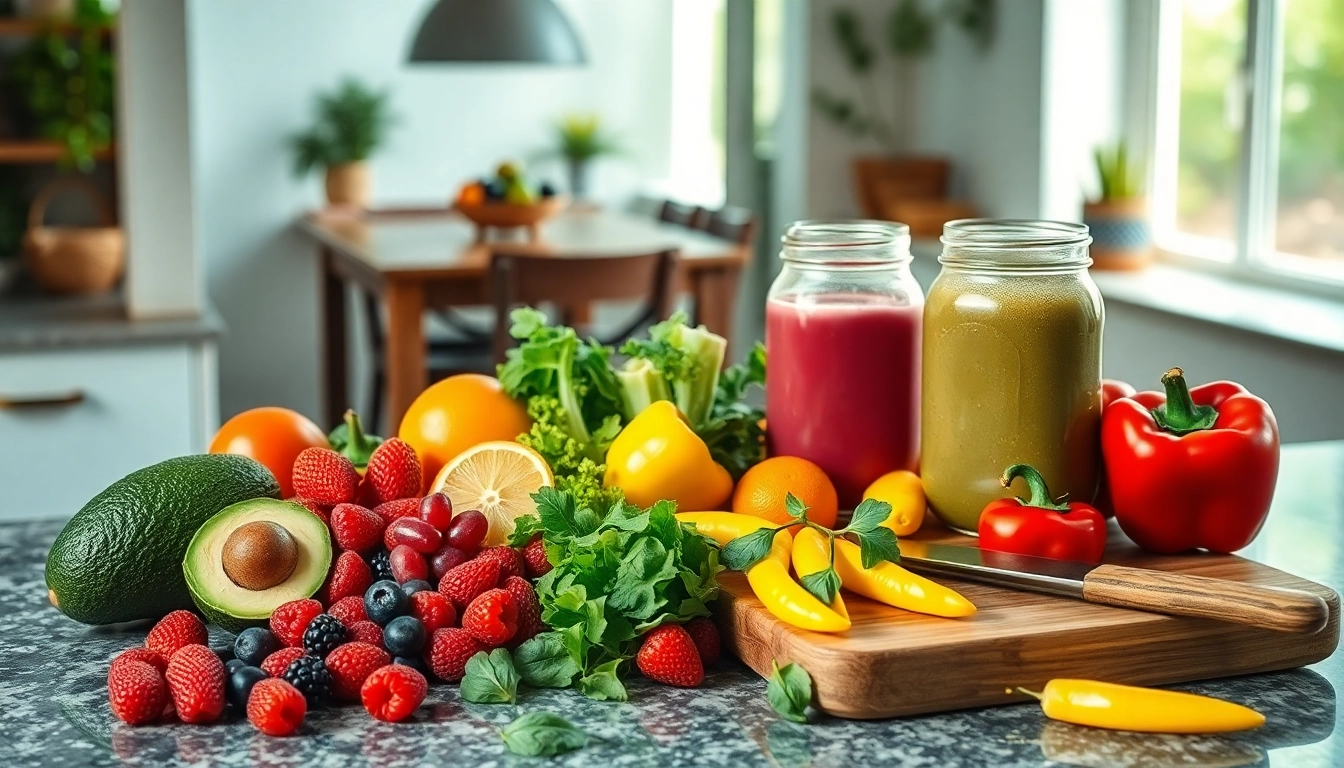
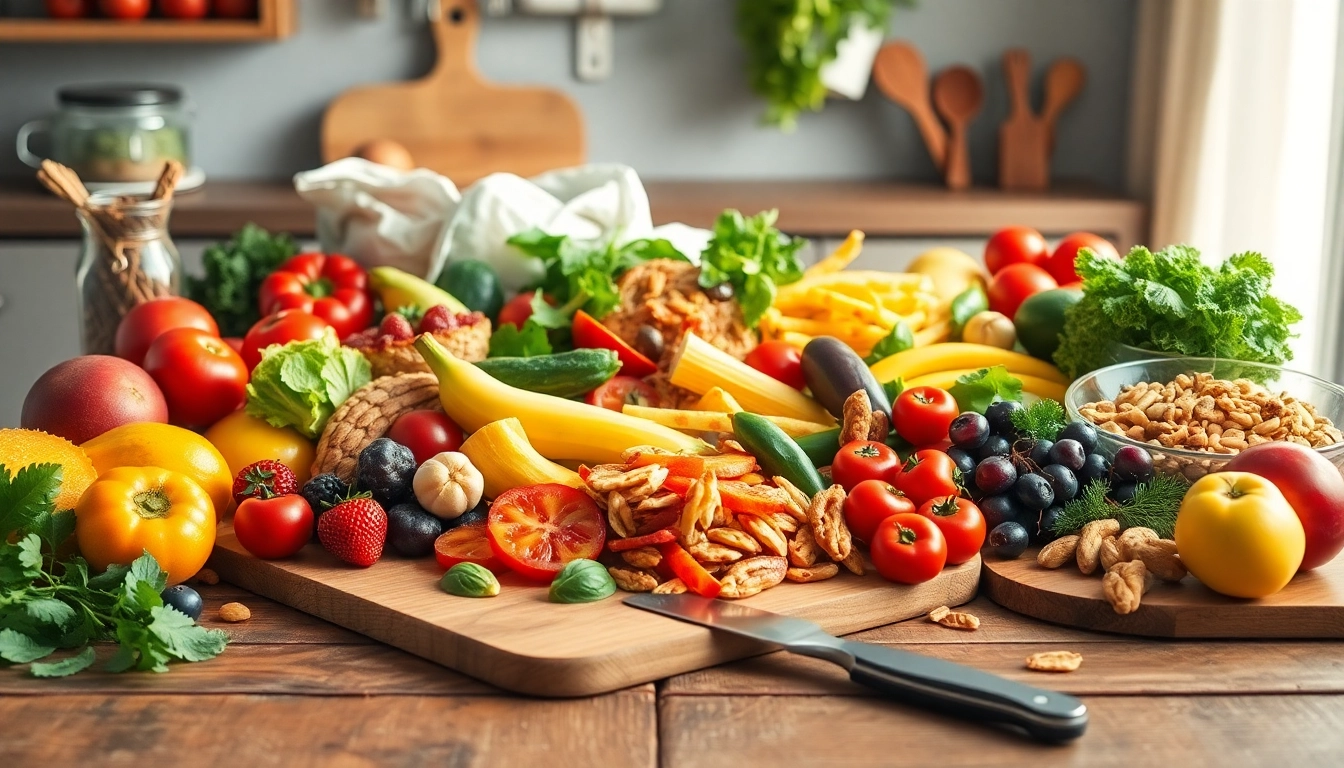
Healthy food refers to items that provide essential nutrients such as vitamins, minerals, fiber, and healthy fats, while being lower in unhealthy components like saturated fats, trans fats, sugars, and sodium. A simplified guideline is to choose whole, minimally processed foods, such as:
- Fruits and vegetables
- Whole grains
- Lean proteins
- Nuts and seeds
Moreover, it is crucial to be aware of food labels, which can often hide unhealthy ingredients. Understanding serving sizes and percentages of daily values can empower consumers to make better choices.
Benefits of Eating Fresh Produce
Fresh produce is one of the cornerstones of a healthy diet and offers numerous benefits:
- Rich in Nutrients: Fruits and vegetables are packed with vitamins, minerals, antioxidants, and fiber.
- Weight Management: They tend to be low in calories but high in volume, helping to create a feeling of fullness without excessive calorie intake.
- Reduced Disease Risk: Regularly consuming fresh produce is linked to lower risks of chronic diseases, including heart disease, diabetes, and even some cancers.
To incorporate more fresh produce into your diet, try keeping a fruit bowl visible at home or prep vegetable sticks to facilitate easy snacking.
Identifying Hidden Sugars in Foods
Many pre-packaged foods contain hidden sugars, which can lead to excessive consumption of calories and potential health issues. It’s essential to recognize these sugars by understanding terms like:
- Sucrose
- High fructose corn syrup
- Agave nectar
Reading ingredient labels can help to identify these hidden sugars. Aim for foods where sugars appear at the end of the ingredient list, indicating lower content.
Top Healthy Food Groups to Include
Fruits and Vegetables: Nature’s Powerhouses
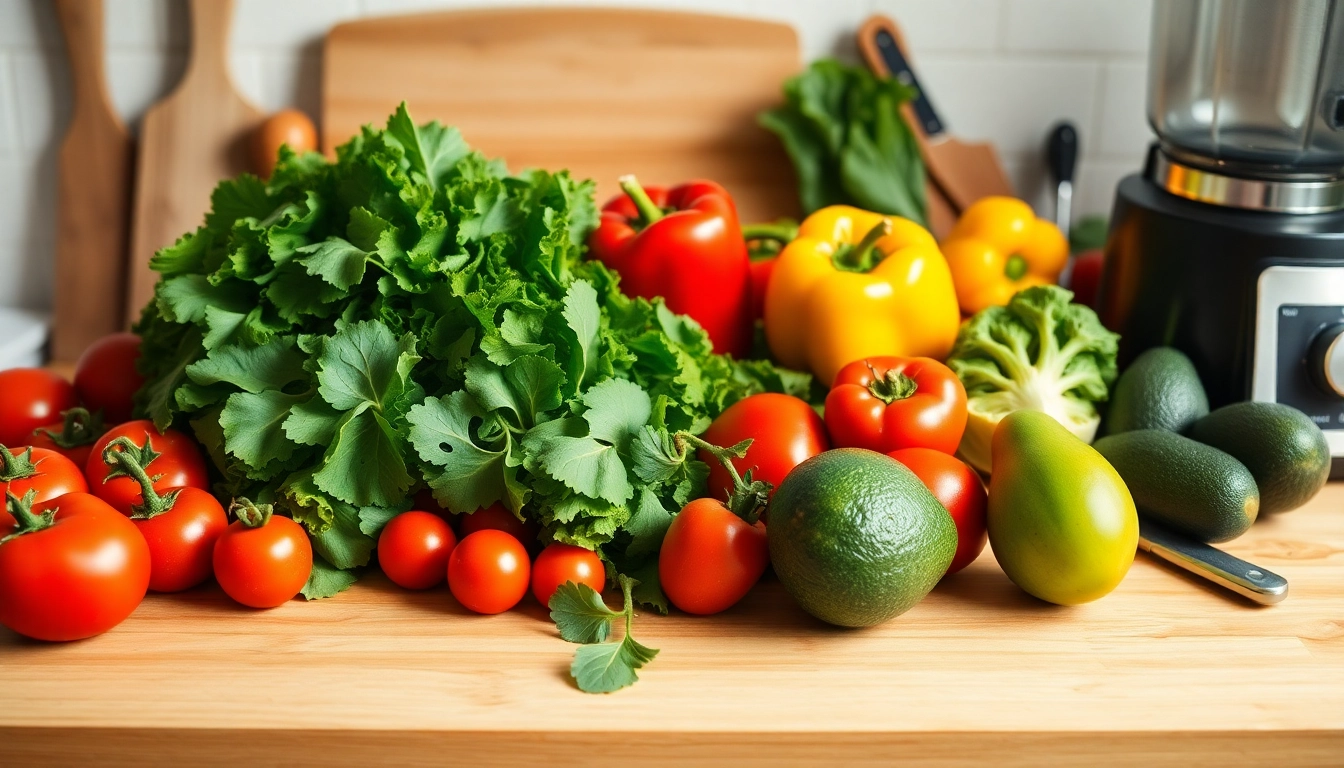
Fruits and vegetables are vital for a balanced diet. Here’s why they should be a staple in your meals:
- Diversity of Nutrients: Each fruit and vegetable contains unique vitamins, minerals, and phytochemicals beneficial for health.
- Versatile in Meals: They can be used in salads, smoothies, soups, or as sides, adding flavor and texture.
- Low in Calories: Most fruits and vegetables are low in calories, making them ideal for anyone looking to maintain a healthy weight.
Whole Grains: The Energy Source
Whole grains include foods like brown rice, quinoa, whole wheat pasta, and oats. They are essential for providing energy and essential nutrients, including:
- Fiber: Whole grains are an excellent source of dietary fiber, which aids in digestion and can prevent constipation.
- Vitamins: They contain B vitamins, iron, and magnesium.
- Lower Risk of Diseases: Eating whole grains is associated with a lower risk of chronic diseases such as heart disease and type 2 diabetes.
Lean Proteins: Building Blocks of Health
Proteins are crucial for maintaining muscle mass, hormone production, and much more. Choosing lean protein sources can make a significant difference, including:
- Chicken and Turkey: Skinless poultry is a low-fat protein option.
- Fish: Particularly fatty fish like salmon provide heart-healthy omega-3 fatty acids.
- Legumes: Beans and lentils are excellent plant-based protein sources and are high in fiber.
Quick and Easy Healthy Food Recipes
5-Minute Breakfast Options
A healthy breakfast sets the tone for the day. Here are some quick options:
- Greek Yogurt Parfait: Layer Greek yogurt with berries and a sprinkle of granola.
- Avocado Toast: Top whole grain bread with smashed avocado and a pinch of salt or a poached egg.
- Overnight Oats: Prepare oatswith almond milk and add chia seeds, fruit, or nuts the night before.
One-Pan Dinner Ideas for Busy Weeknights
After a long day, a one-pan dinner can save time and clean-up:
- Sheet Pan Chicken and Vegetables: Roast chicken thighs alongside seasonal veggies like bell peppers and zucchini.
- Quinoa and Black Bean Bowl: Combine cooked quinoa, black beans, corn, diced tomatoes, and avocado.
- Baked Salmon with Asparagus: Season salmon fillets and place them on a baking tray with fresh asparagus for a nutritious dinner.
Healthy Snacks for On-the-Go
Healthy snacks can help sustain energy levels throughout the day:
- Nut Butter Packets: Single-serve nut butter packets with apple slices or rice cakes can be a filling snack.
- Trail Mix: Create your blend of nuts, seeds, and dried fruit for a quick, nutrient-rich snack.
- Veggie Chips: Opt for baked veggie chips or offer fresh carrot and cucumber sticks with hummus.
Meal Planning for Healthy Eating
How to Create a Balanced Meal Plan
Creating a balanced meal plan involves consideration of all food groups, portion sizes, and nutritional integrity. Here’s a simple framework:
- Plan for variety, incorporating different colors and types of foods to ensure a broader nutrient intake.
- Consider your weekly schedule: Plan easy-to-prepare meals for busy days.
- Incorporate leftovers from dinner into lunch options.
Batch Cooking: Simplifying Healthy Food Prep
Batch cooking is an effective strategy for managing weeknight dinners. Here’s how to do it:
- Choose a day to cook larger portions of whole grains, proteins, and roasted vegetables.
- Store meals in portions for easy access throughout the week.
- Try freezing meals in individual servings to avoid food waste.
Utilizing Leftovers Wisely
Leftovers should not be overlooked! They provide an excellent resource for quick meals. Turn last night’s dinner into a new meal by:
- Using roasted vegetables in salads or wraps.
- Incorporating leftover grains into soups or stews.
- Reworking proteins into egg dishes or grain bowls.
Overcoming Challenges in Maintaining Healthy Eating Habits
Staying Motivated for Healthy Food Choices
Staying committed to healthy eating often requires motivation. Here are some strategies:
- Set realistic goals that are achievable and measurable.
- Keep a food journal to track progress and reflect on choices.
- Celebrate small victories to keep spirits high.
Dealing with Cravings: Healthy Alternatives
Cravings are natural, but it’s vital to respond with healthful alternatives:
- If craving sweets, try a piece of fruit or dark chocolate.
- Instead of reaching for chips, opt for nuts or air-popped popcorn.
- For salty cravings, crunchy veggies with hummus can satisfy without excess sodium.
Seeking Support: Community and Resources
Consider involving your social circle or professional resources in your healthy eating journey:
- Join a cooking class or healthy eating group in your community.
- Consult a nutritionist for individualized advice and guidance.
- Engage with online platforms that offer meal planning tools and resources.