Expert Guide to the Everest Base Camp Trek: 2025 Essentials
Introduction to the Everest Base Camp Trek
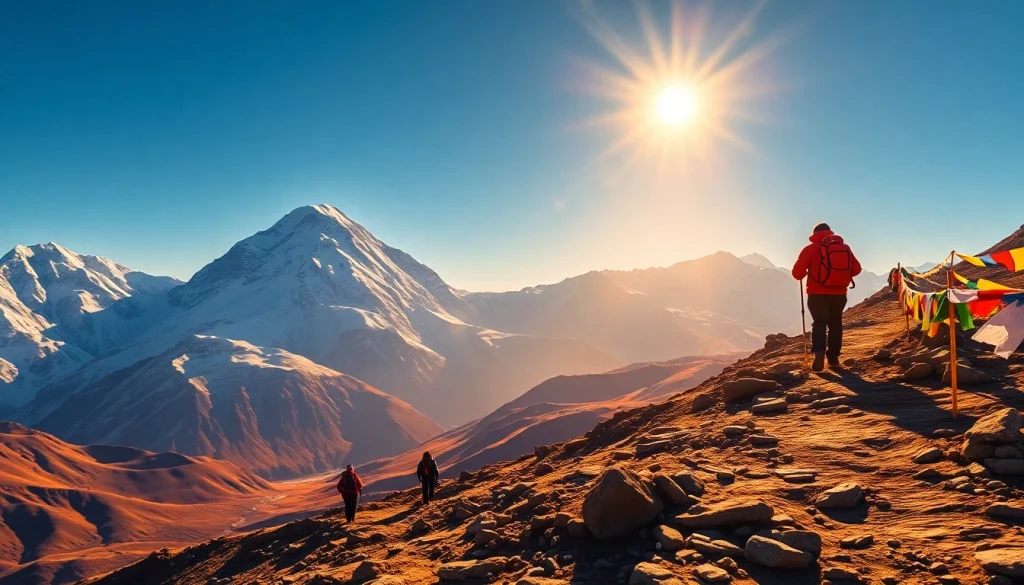
The Everest Base Camp Trek is not just a hike; it is a journey that takes you to the foothills of the world’s highest peak, Mount Everest. Stretching over 14 days, this trek offers an incredible blend of breathtaking landscapes, rich Sherpa culture, and unparalleled adventure. As trekkers traverse through lush valleys, towering snow-capped mountains, and ancient monasteries, the experience becomes a transformative journey of discovery and endurance. Whether you’re a seasoned adventurer or a novice with aspirations of trekking in the Himalayas, understanding the nuances of this trek is essential for a memorable experience.
What is the Everest Base Camp Trek?
The Everest Base Camp Trek is a high-altitude trek that leads adventurers through the Khumbu region of Nepal to the base camp of Mount Everest. At an elevation of 5,364 meters (17,598 feet), the base camp serves as the starting point for climbers attempting to summit Everest. The trek typically begins in the town of Lukla, where trekkers are greeted with stunning views of the Himalayas as they embark on a journey that showcases the natural beauty and cultural richness of Nepal. Along the way, trekkers experience the warm hospitality of the Sherpa people, visit traditional villages, and gain insights into their unique way of life.
Why Choose the Everest Base Camp Trek?
The trek to Everest Base Camp has long been regarded as a bucket-list adventure for outdoor enthusiasts and trekkers alike. It offers a unique opportunity to witness some of the highest peaks in the world, including Lhotse, Nuptse, and Makalu, all while immersing oneself in the diverse culture of the Sherpa community. Moreover, the sense of accomplishment one feels upon reaching base camp is unparalleled and creates lasting memories. The trek is also enriched with opportunities for breathtaking photography, exploration of ancient Buddhist monasteries, and the chance to experience the vibrant local markets.
Overview of Trekking Seasons and Weather
Understanding the best times to embark on the Everest Base Camp Trek is crucial for a successful adventure. The two primary trekking seasons are spring (March to May) and autumn (September to November), known for moderate weather and clear skies. During spring, trekkers can witness blooming flowers as the landscape comes alive, while autumn offers stunning views with less humidity. Although trekking is possible year-round, the monsoon season (June to August) brings heavy rainfall, making trails muddy and difficult. Winter (December to February) presents cold temperatures, but those willing to brave the chill can experience solitude on the trails as fewer trekkers venture out.
Preparing for Your Trek
Physical Fitness Requirements for the Everest Base Camp Trek
Preparing physically for the Everest Base Camp Trek is vital, as it involves daily trekking of 5 to 8 hours over varied terrain and at high altitudes. Proper aerobic fitness is essential, and participants are encouraged to undertake cardiovascular training, such as running, cycling, or swimming, to build stamina. Additionally, exercises that strengthen the legs, core, and upper body will help support carrying a trekking backpack. A recommended regimen includes at least one hour of hiking at an incline four to five times a week for at least two months before the trek.
Essential Gear and Packing List
Choosing the right gear is crucial for a comfortable and safe trekking experience. Essential items include:
- Footwear: Sturdy, waterproof trekking boots with good ankle support.
- Clothing: Layered clothing that can be adjusted for varying temperatures. This includes moisture-wicking base layers, insulating mid-layers, and waterproof outer layers.
- Accessories: Warm hats, gloves, and a good quality sleeping bag rated for low temperatures.
- Hydration: Water bottles and purification tablets are essential to stay hydrated.
- First Aid Kit: A basic first aid kit with altitude sickness medication, antiseptics, and other personal medications.
For complete comfort, packing lightweight gear that is durable, functional, and suited for high-altitude trekking is highly recommended.
Acclimatization Strategies for High Altitude
Acclimatization is key to preventing altitude sickness during the Everest Base Camp Trek. Trekkers should plan on taking rest days during the trek, particularly in Namche Bazaar and Dingboche, where they can gradually adjust to higher altitudes. Simple strategies include:
- Ascending slowly and avoiding rapid gains in elevation.
- Staying well-hydrated to help alleviate symptoms of altitude sickness.
- Eating a balanced diet high in carbohydrates to maintain energy levels.
- Listening to your body and resting when necessary.
Adhering to these practices will greatly enhance your chances of successfully completing the trek.
Itinerary Breakdown for the 14-Day Trek
Day-by-Day Itinerary Highlights
The 14-day itinerary for the Everest Base Camp Trek allows trekkers to fully immerse themselves in the stunning landscapes and culture of the region. Here’s a brief overview of what to expect:
- Day 1: Arrival in Kathmandu, transfer to your hotel.
- Day 2: Fly to Lukla, then trek to Phakding.
- Day 3: Trek from Phakding to Namche Bazaar.
- Day 4: Acclimatization day in Namche with a hike to Hotel Everest View.
- Day 5: Trek from Namche to Tengboche.
- Day 6: Trek from Tengboche to Dingboche.
- Day 7: Acclimatization day, hike to Nangkartsang Peak.
- Day 8: Trek from Dingboche to Lobuche.
- Day 9: Trek to Everest Base Camp and back to Gorak Shep.
- Day 10: Early morning hike to Kala Patthar, then descend to Pheriche.
- Day 11: Trek back to Namche Bazaar.
- Day 12: Trek to Lukla.
- Day 13: Fly back to Kathmandu.
- Day 14: Departure from Kathmandu.
Key Stops and Attractions Along the Route
Throughout the trek, several key attractions add to the adventure:
- Namche Bazaar: A bustling market town and acclimatization hub, with stunning views of Everest.
- Tengboche Monastery: One of the most important monasteries in the region, known for its beautiful setting and spiritual ambiance.
- Gorak Shep: The last settlement before reaching Everest Base Camp, offering dramatic views of the surrounding peaks.
- Kala Patthar: The highest point on the trek, renowned for its breathtaking sunrise views over Everest.
Accommodations During the Trek
During the Everest Base Camp Trek, accommodations vary from local guesthouses in the villages to teahouses along the route. Accommodations typically consist of:
- Tea Houses: Basic but comfortable lodging where trekkers can rest and enjoy warm meals.
- Guesthouses: More established options in larger towns like Namche and Dingboche, often with additional amenities.
Single rooms may be available upon request for an additional fee but typically, accommodations are twin-sharing.
Costs and Inclusions of the Everest Base Camp Trek
Understanding the Cost Breakdown
The cost of the Everest Base Camp Trek generally ranges from $1,650 to $2,500, depending on the service providers and package inclusions. It’s essential to understand what contributes to this cost:
- Permits: Various permits like TIMS and Sagarmatha National Park permits are included in the package.
- Accommodation: The cost covers accommodations in guesthouses or teahouses along the route.
- Food: Meals during the trek are typically included, with options available for various diets.
- Guides and Porters: Experienced guides are essential for navigating the trail and supporting trekkers.
What’s Included in Your Package?
In addition to the essential components mentioned, typical packages for the Everest Base Camp Trek include:
- Domestic flights from Kathmandu to Lukla and return.
- All necessary permits and entrance fees.
- Comprehensive first-aid support during the trek.
- Pre-departure meeting for guidance on the trek.
Additional Expenses to Consider
While the package covers most necessary costs, trekkers should be prepared for additional expenses including:
- Hot showers and charging electronic devices.
- Snacks and drinks along the trail.
- Tipping for guides, porters, and restaurant staff.
- Travel insurance for personal safety and emergencies.
Safety and Support During the Trek
Health and Safety Precautions
Safety is paramount during the Everest Base Camp Trek. Measures include:
- Regular health checks conducted by guides to monitor altitude sickness.
- Emergency evacuation protocols in place for serious health issues.
Travelers are advised to be aware of their physical condition and communicate any health concerns with their guides.
The Importance of Hiring Experienced Guides
Hiring a knowledgeable guide is essential to navigate the trails safely. Experienced guides are familiar with the terrain and the risks associated with high-altitude trekking. They can provide valuable insights into the local culture, facilitating a richer trekking experience.
Emergency Protocols and Evacuation Procedures
In the event of an emergency, protocols are established for immediate evacuation. This might involve using a helicopter for rapid removal from the trek route. Trekking companies, such as Ace the Himalaya, ensure all guides are trained in first aid and emergency response procedures, providing peace of mind for all trekkers.