7 Essential Healthy Food Tips for a Vibrant Lifestyle
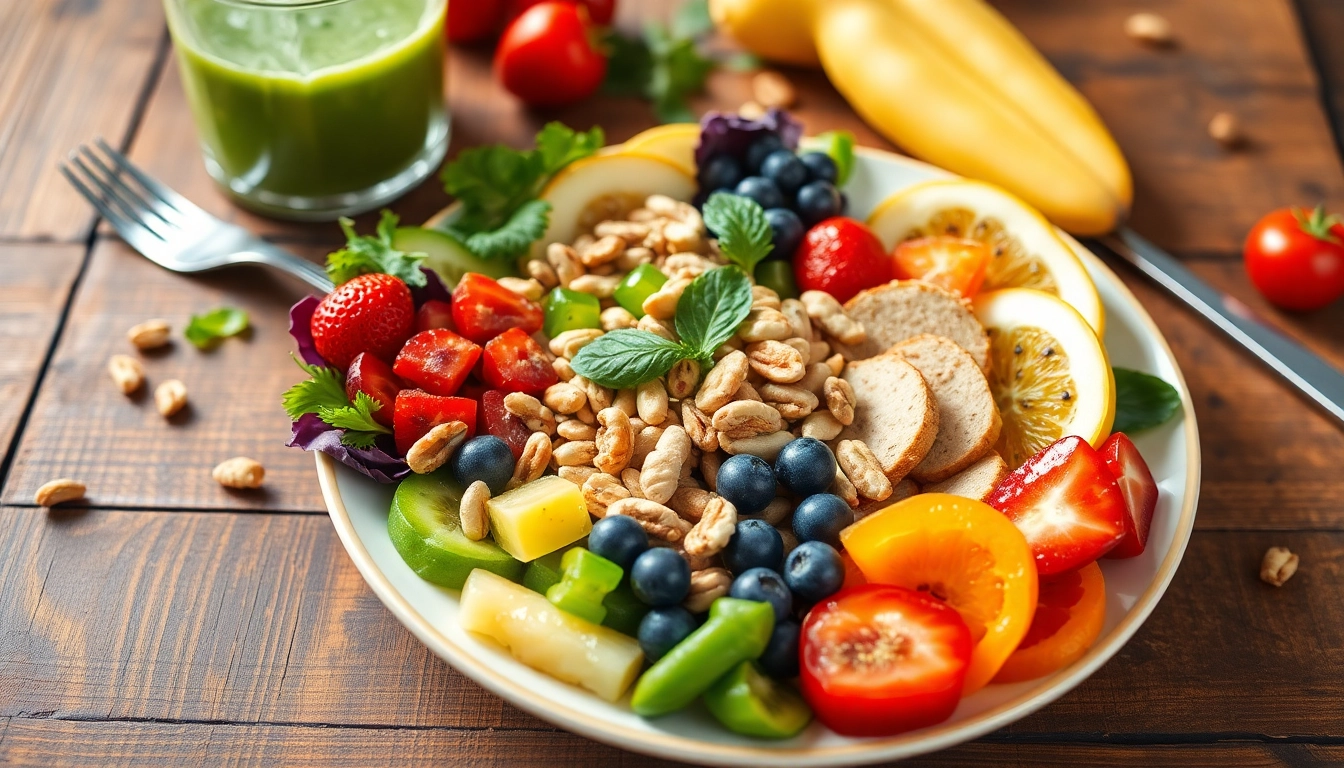
Understanding Healthy Food
What Constitutes Healthy Food?
Healthy food can be defined as any type of food that offers essential nutrients that contribute to physiological and psychological well-being. It includes a variety of food items that allow individuals to achieve optimal health and prevent nutritional deficiencies. Examples of healthy food are:
- Fruits and Vegetables: Packed with vitamins, minerals, and antioxidants, these foods play a vital role in reducing the risk of chronic diseases.
- Whole Grains: Unlike refined grains, whole grains contain all parts of the grain kernel, which means they retain fiber, iron, and B vitamins.
- Lean Proteins: Sources such as fish, poultry, beans, and tofu provide essential amino acids necessary for muscle repair and overall health.
- Nuts and Seeds: These are nutrient-dense foods rich in healthy fats, protein, and fiber, making them ideal snacks that promote satiety.
Incorporating a variety of these foods into your daily diet can lead to better energy levels, improved mood, and enhanced body function. For more ideas on delicious healthy food recipes, consider exploring different culinary cultures that emphasize fresh, wholesome ingredients.
The Importance of Nutritional Balance
Nutritional balance refers to the proper proportions of macronutrients—carbohydrates, proteins, and fats—along with micronutrients, which include vitamins and minerals. Achieving nutritional balance is crucial for optimal functioning of the body. Here’s how each macronutrient contributes:
- Carbohydrates: They are the body’s primary source of energy. Opt for complex carbs like whole grains and legumes that offer sustained energy and are rich in fiber.
- Proteins: Essential for cell repair and growth, proteins should come from various sources, including plant-based options, to provide all nine essential amino acids.
- Fats: Healthy fats, such as those found in avocados, nuts, and olive oil, support cell health and brain function.
Incorporating an appropriate balance of these macronutrients supports various bodily functions and promotes overall health, which can be particularly beneficial for those looking to manage weight or enhance physical performance.
Common Misconceptions About Healthy Eating
Despite the well-documented benefits of healthy eating, misconceptions continue to persist:
- Healthy food is bland and unappetizing: This is a myth; healthy food can be flavorful and exciting. Through the use of spices, herbs, and creative cooking techniques, meals can be both nutritious and delicious.
- Carbs are bad: Not all carbs are created equal. Whole grains, fruits, and vegetables contain healthy carbohydrates that provide essential nutrients and energy.
- Healthy eating is too expensive: While some health foods can be pricey, many affordable options are nutrient-dense, such as seasonal fruits and vegetables, beans, and whole grains.
Challenging these misconceptions is essential for encouraging healthier eating habits, leading to better health outcomes and improved quality of life.
Top Healthy Food Choices
Fruits and Vegetables: Nature’s Superfoods
Fruits and vegetables should comprise a significant portion of any healthy diet, providing essential vitamins, minerals, and fiber while being low in calories. Aiming for a variety of colors on your plate ensures you consume a broader range of nutrients.
Some standout options include:
- Berries: High in antioxidants and vitamins, they are excellent for snacking and adding to cereals or smoothies.
- Leafy Greens: Spinach, kale, and Swiss chard are nutrient powerhouses, rich in vitamins C, K, and calcium.
- Cruciferous Vegetables: Broccoli and cauliflower are not only fiber-rich but also possess cancer-fighting properties.
Incorporating these foods into daily meals can boost overall health and enhance dietary satisfaction.
Incorporating Lean Proteins in Your Diet
Protein is a critical nutrient that helps in the ongoing process of cell growth, repair, and maintenance. Lean protein options include:
- Fish: Particularly fatty fish like salmon provides omega-3 fatty acids, which are essential for heart health.
- Poultry: Skinless chicken and turkey are great sources of lean protein, easy to prepare in various dishes.
- Legumes: Beans, lentils, and chickpeas are not only protein-rich but also provide fiber and other micronutrients.
Integrating a diverse range of protein sources ensures that the body receives all essential amino acids while keeping saturated fat intake low.
Whole Grains: The Fiber Factor
Whole grains such as quinoa, brown rice, and whole oats contain more fiber than their refined counterparts, which can aid in digestion and help stabilize blood sugar levels. Regular consumption of whole grains is associated with lower risks of heart disease, type 2 diabetes, and obesity.
Opting for whole grains over refined grains not only improves your health but promotes a feeling of fullness, aiding in weight management.
Creating Healthy Meals at Home
Meal Prep Tips for Busy Lifestyles
Incorporating healthy food into your lifestyle can be challenging when time is limited. Meal prepping can save time and money while ensuring you have nutritious meals ready to go. Here are effective strategies:
- Plan Ahead: Design a weekly menu and create a shopping list tailored to your meal plan.
- Batch Cooking: Prepare large portions of grains, proteins, and vegetables to mix and match throughout the week.
- Use Storage Containers: Store meals in individual portions in airtight containers to streamline your grab-and-go meals.
Implementing these strategies can ease the stress of healthy eating during busy weekdays, helping you stay committed to your nutritional goals.
Recipes that Emphasize Healthy Ingredients
Creating delicious meals using wholesome ingredients doesn’t have to be complicated. Here are a few easy recipes to try at home:
- Quinoa Salad: Combine cooked quinoa with cherry tomatoes, cucumber, parsley, and a dressing of olive oil and lemon juice for a refreshing salad.
- Vegetable Stir-fry: Quickly sauté a mix of your favorite vegetables in sesame oil and add tofu or shrimp for additional protein.
- Overnight Oats: Combine oats, chia seeds, almond milk, and your choice of fruit in a jar for a quick, healthy breakfast.
These recipes are not only nutritious, but they offer a range of flavors and textures that make healthy eating enjoyable.
Making Healthy Food Delicious and Fun
To encourage healthy eating habits, it’s essential to make meals exciting. Here’s how you can spice things up:
- Experiment with Herbs and Spices: Use fresh herbs like basil and cilantro, and spices like cumin or cinnamon to enhance flavor without added calories.
- Involve Family and Friends: Cooking with others can inspire creativity in the kitchen and make healthy cooking more of a shared experience.
- Try New Techniques: Grilling, roasting, and air-frying are great ways to prepare food that retains nutrients and enhances flavor.
Making healthy food enjoyable not only supports better eating habits but also fosters a positive relationship with food.
Healthy Eating on a Budget
Smart Shopping Tips for Fresh Ingredients
Eating healthily can seem expensive, but there are several strategies to shop wisely:
- Buy in Bulk: Purchasing grains, beans, and nuts in bulk can save money over time.
- Shop Seasonal Produce: Seasonal fruits and vegetables are often cheaper and tastier, packed with nutrients.
- Plan Grocery Trips: Make a list based on your meal plan to avoid impulse buys and ensure you’re only purchasing what you need.
These smart shopping tips help reduce food waste and keep grocery bills manageable while ensuring access to healthy foods.
Seasonal Eating: Maximizing Flavor and Value
Eating seasonally not only benefits your health but also supports local farmers and reduces your carbon footprint. Some seasonal eating tips include:
- Explore Local Farmers’ Markets: They often provide fresh produce directly from farmers, which can be more affordable.
- Grow Your Own Herbs and Vegetables: Starting a small garden can yield fresh ingredients and lower overall costs.
- Preserve Seasonal Bounty: Canning or freezing seasonal fruits and vegetables can save them for later use.
By embracing seasonal eating, you not only savor the freshest flavors but also enhance your nutrition and culinary creativity.
Affordable Healthy Food Swaps
Making simple substitutions can contribute to a healthier diet without breaking the bank:
- Whole Wheat Pasta for White Pasta: Whole wheat offers more fiber and retains more nutritional value.
- Greek Yogurt for Sour Cream: This swap provides protein and probiotics without the same fat content.
- Frozen Vegetables for Fresh: Frozen produce can be just as nutritious as fresh, often at a lower cost.
These swaps allow for healthier choices while keeping taste and texture in mind, making it easier to maintain a balanced diet.
The Role of Healthy Food in Overall Wellness
Nutritional Impact on Mental Health
The link between diet and mental health has gained significant attention. Certain foods can influence mood, reduce symptoms of anxiety and depression, and improve cognitive function. For example:
- Omega-3 Fatty Acids: Commonly found in fish, nuts, and flaxseeds, omega-3s are known to support brain health and reduce inflammation.
- Antioxidant-Rich Foods: Berries, leafy greens, and dark chocolate can help manage oxidative stress, promoting mental clarity and emotional balance.
- Fermented Foods: Foods like yogurt, kimchi, and sauerkraut contribute to gut health, which is closely linked to mood regulation.
Focusing on nutrition can lead to an improved quality of life, making healthy food choices a crucial element of mental wellness.
How Healthy Eating Supports Physical Fitness
Fueling your body with the right nutrients is essential for optimal performance in physical activities.Healthy foods provide the necessary energy and nutrients to enhance performance and recovery. Key points include:
- Carbohydrates: They are vital for endurance activities, replenishing glycogen stores post-exercise.
- Protein: Essential for muscle repair and recovery after workouts, aiding in maintaining muscle mass.
- Hydration: Alongside solid foods, maintaining hydration with water and electrolyte-rich items like coconut water can improve athletic performance.
Thus, healthy eating plays an integral role in supporting fitness goals and overall physical health.
Building Sustainable Healthy Eating Habits
Creating lasting healthy eating habits involves mindful eating, gradual changes, and consistency. To cultivate these habits:
- Set Realistic Goals: Start with small, achievable dietary changes rather than overhauling your entire diet at once.
- Practice Mindful Eating: Focus on your meals; this enhances the eating experience and helps recognize hunger cues.
- Educate Yourself: Understanding nutrition labels and nutritional content can empower better choices.
By prioritizing gradual, informed changes, individuals can foster an enjoyable relationship with food that promotes lifelong health and well-being.