Understanding Healthy Food Choices
With an increasing focus on health and wellness, understanding what qualifies as healthy food is essential for making informed dietary decisions. In today’s fast-paced world, where junk food is ubiquitous, distinguishing between healthy options and unhealthy choices can significantly impact our overall health and well-being. This article delves into what constitutes healthy food, its importance, common misconceptions surrounding healthy eating, and practical steps for incorporating healthy food into your diet.
What qualifies as Healthy Food?
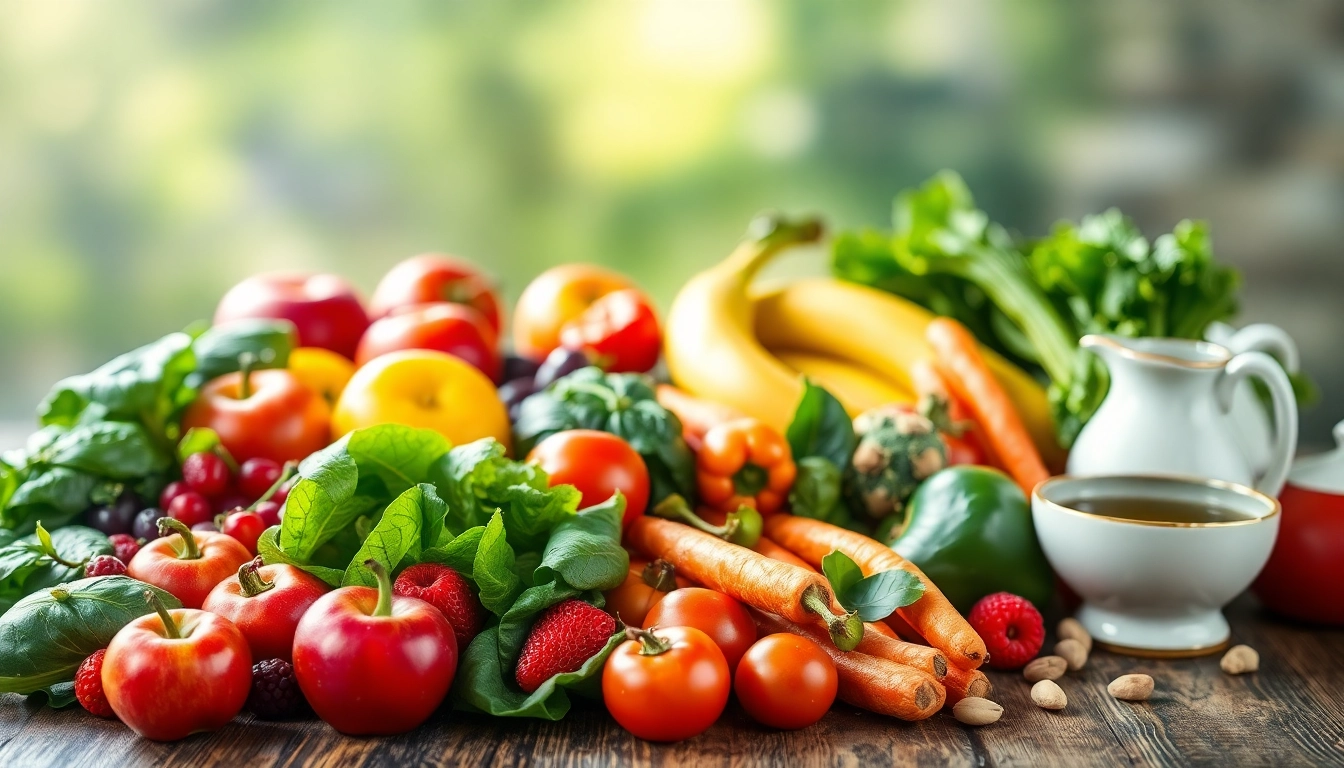
Healthy food can be defined as foods that are rich in essential nutrients, vitamins, and minerals while being low in unhealthy fats, sugars, and calories. These foods contribute positively to our overall health, enhance our immune systems, and help in maintaining a healthy weight. Key categories of healthy foods include:
- Fruits and Vegetables: These are packed with vitamins, minerals, fiber, and antioxidants.
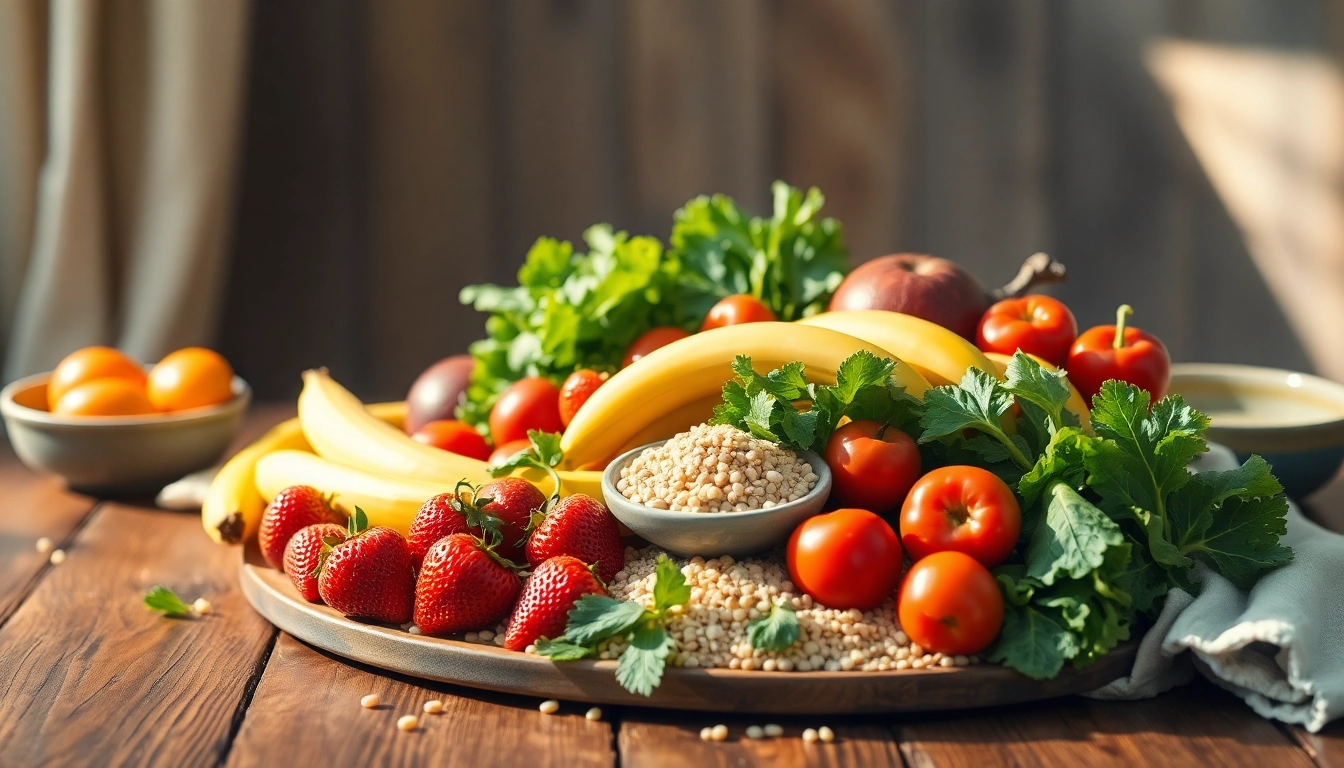
- Whole Grains: Foods such as brown rice, quinoa, and oats provide fiber and essential nutrients.
- Nuts and Seeds: A great source of healthy fats, protein, and other nutrients.
- Lean Protein: Sources like chicken, turkey, fish, beans, and legumes support muscle growth and repair.
- Dairy or Dairy Alternatives: Important for calcium and vitamin D intake, essential for bone health.
The Importance of Nutritional Balance
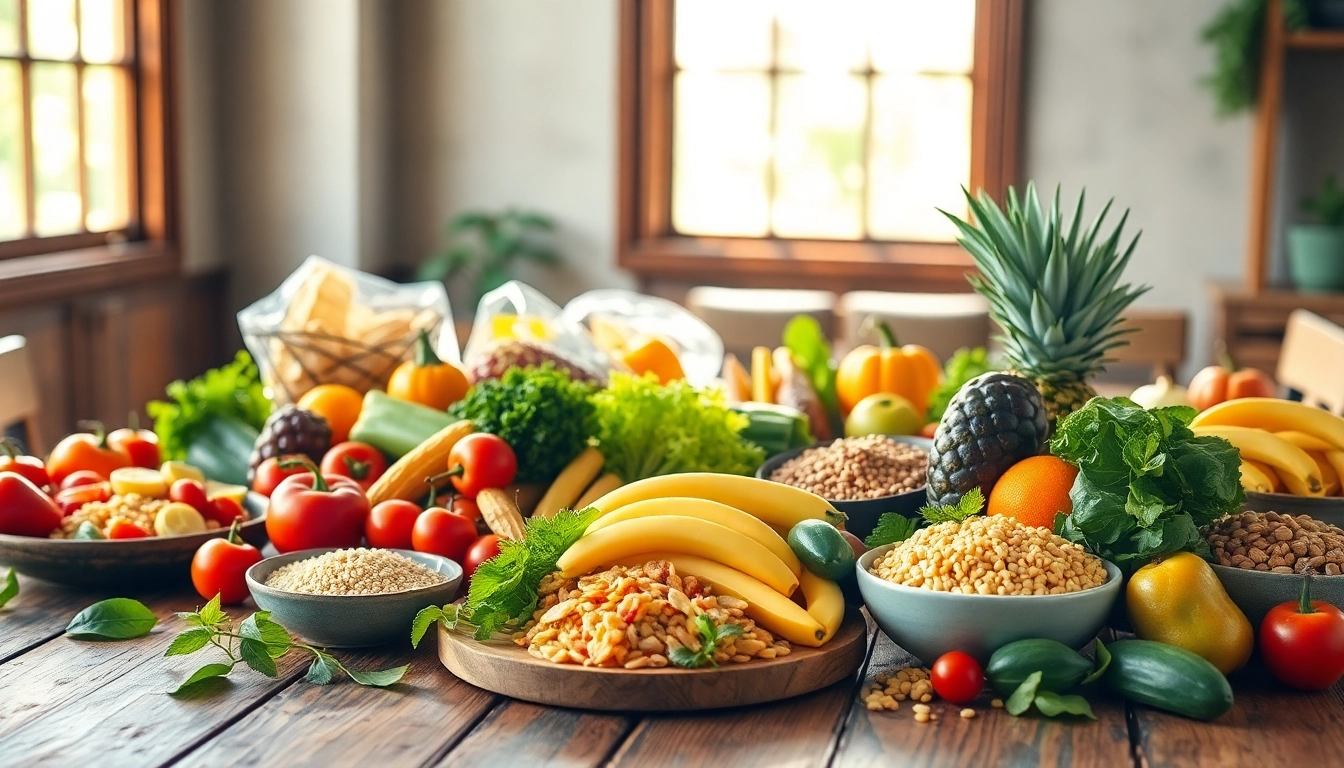
A balanced diet is crucial for maintaining optimal health. It ensures that you obtain the right proportions of carbohydrates, proteins, and fats along with vitamins and minerals. The Harvard Healthy Eating Plate recommends that half your plate should consist of fruits and vegetables, while the other half includes whole grains and proteins. This balance not only promotes physical health but also supports mental well-being. It helps mitigate the risk of chronic diseases such as diabetes, heart disease, and obesity, emphasizing the importance of making healthy food choices from each food group.
Common Myths about Healthy Eating
Healthy eating is often surrounded by misconceptions that can lead to confusion and ineffective dietary practices. Here are some common myths debunked:
- Myth 1: Healthy food must be bland and taste bad.
- Myth 2: All fats are bad for you.
- Myth 3: Carbs should be avoided altogether.
- Myth 4: Eating healthy is too expensive.
Understanding these myths can help individuals make better dietary decisions and encourage them to enjoy diverse and flavorful healthy foods.
Incorporating Healthy Food into Your Diet
Once you understand the definitions and importance of healthy food, the next step is integrating these choices into your daily meal planning. This can be a daunting task for many, but with some easy strategies, everyone can make this transition smoothly.
Easy Tips for Meal Planning with Healthy Foods
Meal planning is a strategic way to ensure that you are consuming a balanced diet. Here are some tips to make meal preparation more manageable:
- Plan Ahead: Dedicate a specific time each week to plan your meals, make grocery lists, and prep ingredients.
- Batch Cooking: Prepare larger quantities of healthy meals that can be stored and reheated throughout the week.
- Mix and Match: Incorporate a variety of foods to keep meals interesting, such as using different proteins and vegetables.
- Stay Seasonal: Use seasonal produce to benefit from fresher and often less expensive options.
Snacking Smart: Healthy Food Options
Snacking is an integral part of many people’s diets, but it often involves unhealthy choices. Opting for healthy snacks can help maintain energy levels and prevent overeating during meals. Consider these options:
- Fruits: Apples, bananas, and berries are nutrient-rich and easy to prepare.
- Nuts: Almonds, walnuts, and pistachios provide healthy fats and proteins.
- Vegetables and Hummus: Carrot sticks, celery, or bell peppers combined with hummus for a tasty dip.
- Greek Yogurt: Packed with protein and probiotics, it’s great for gut health.
Incorporating Healthy Foods in Family Meals
Cooking healthy meals for the entire family can be an enjoyable challenge. Involve family members in the kitchen to promote a healthy lifestyle. Here’s how:
- Make it Fun: Allow children to choose healthy meals to prepare or pick out new fruits and vegetables to try.
- Create Themed Nights: Experiment with different cuisines every week (e.g., Mexican taco night with healthy ingredients).
- Teach Cooking Skills: Use meal prep time as an opportunity to teach kids about nutrition and cooking techniques.
Healthy Food and Weight Management
Healthy foods play a pivotal role in maintaining a healthy weight. Understanding the link between nutrition and weight management is essential for achieving your health goals.
How Healthy Foods Support Weight Loss
Many people believe that losing weight requires drastic changes and sacrifice. However, incorporating more healthy foods into your diet can aid weight loss naturally. Here are some mechanisms through which this occurs:
- Satiety: Foods high in fiber make you feel fuller longer, reducing the urge to snack.
- Nutrient Density: Healthy foods are nutrient-rich yet lower in calories, helping maintain energy without excess calories.
- Metabolism Boost: Certain foods, like lean proteins and green tea, can enhance metabolic rates.
Healthy Food versus Processed Options
Processed foods are often high in sugars, unhealthy fats, and sodium. Understanding the ramifications of consuming such foods can motivate individuals to prioritize healthier options. Processed foods often lack essential nutrients and contribute to various health issues, including obesity, heart disease, and diabetes. Prioritizing whole, unprocessed foods can lead to significant health improvements.
Creating a Healthy Food Journal
One effective way to manage dietary habits is by keeping a healthy food journal. Documenting what you eat allows for greater self-awareness regarding your food choices. Here are some tips for maintaining an effective food journal:
- Record Everything: Include meals, snacks, and even beverages.
- Note Emotional Triggers: Reflect on how certain foods make you feel emotionally and physically.
- Set Goals: Use your journal to track progress toward dietary goals or changes.
Exploring Recipes with Healthy Food
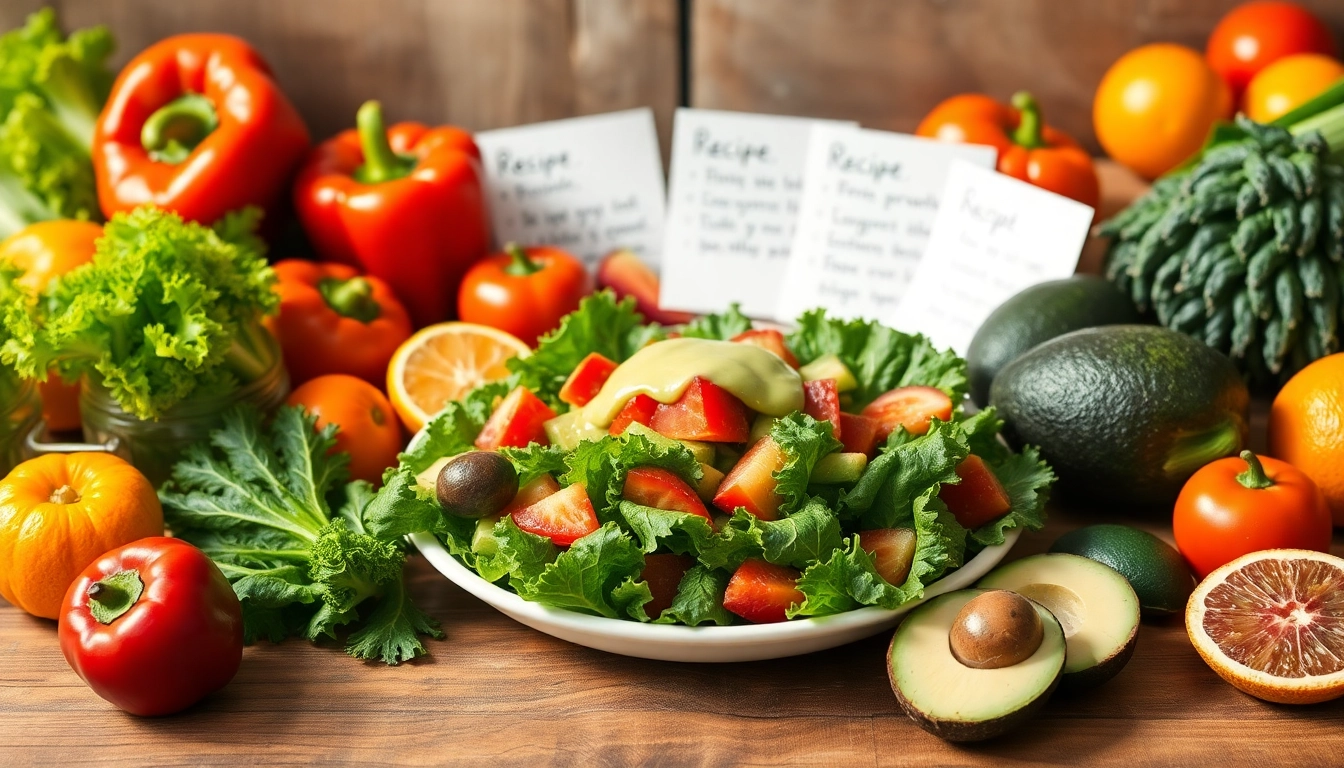
Cooking healthy meals doesn’t have to be complicated. With thousands of healthy recipes available, it is easier than ever to prepare delicious and nutritious meals. Here are some ideas for breakfast, lunch, and dinner that incorporate healthy foods.
Breakfast Ideas Packed with Healthy Foods
Starting your day with a healthy breakfast can set the tone for making better food choices throughout the day. Here are some nutrient-dense breakfast ideas:
- Overnight Oats: Combine oats, Greek yogurt, milk, and your favorite fruits for a delicious and filling breakfast.
- Egg Veggie Muffins: Beat eggs with spinach, tomatoes, and cheese, then bake in muffin tins for easy grab-and-go portions.
- Smoothie Bowls: Blend your favorite fruits with spinach or kale and top with nuts, seeds, and whole grain granola.
Quick and Easy Healthy Lunches
When it comes to lunch, quick and nutritious meals can keep you energized through the afternoon. Try these simple options:
- Mason Jar Salads: Layer your favorite greens, proteins, and toppings in a jar for a portable lunch.
- Quinoa Bowls: Mix cooked quinoa with vegetables, beans, and a protein source, topped with your favorite dressing.
- Whole Grain Wraps: Fill a whole grain tortilla with lean meats, veggies, and hummus for a balanced meal.
Dinner Recipes Featuring Healthy Foods
Dinner is often when families gather, making it an ideal time to showcase healthy food options. Here are some nutritious dinner ideas:
- Grilled Salmon: Rich in omega-3 fatty acids, serve with roasted vegetables and a side of quinoa.
- Vegetable Stir-Fry: Combine a variety of colorful veggies with ginger and sesame oil for a quick dish over brown rice.
- Lentil Soup: Packed with protein and fiber, a warm bowl of lentil soup can be both satisfying and heart-healthy.
The Role of Healthy Food in Overall Wellness
Healthy eating goes beyond just physical health; it plays a significant role in overall wellness, including mental health and cognitive function.
Healthy Food and Mental Health Benefits
Recent studies have shown a strong correlation between diet and mental health. Nutrient-rich foods can help manage symptoms of anxiety and depression. Foods rich in omega-3 fatty acids, magnesium, and antioxidants, such as fatty fish, nuts, and dark leafy greens, contribute to better mental health outcomes.
How Healthy Foods Boost Your Immune System
Nutrition has a profound impact on the immune system. Healthy foods provide essential vitamins and minerals that support immune health. For instance:
- Vitamin C: Found in citrus fruits and bell peppers, it is vital for the immune system.
- Zinc: Present in beans, nuts, and whole grains, it is critical for immune function.
- Antioxidants: Found in colorful fruits and vegetables, they help combat oxidative stress and support overall health.
Understanding the Long-term Benefits of Healthy Eating
Adopting healthy eating habits can lead to long-term health benefits, including reduced risks of chronic diseases, sustained energy levels, and improved quality of life. Making gradual changes toward healthier food choices is the key to lasting results. The journey toward a healthier diet is a long-term commitment that pays dividends in overall health.