Understanding Healthy Food and Its Importance
In a world increasingly dominated by fast food and processed options, understanding the concept of Healthy Food has never been more crucial. Healthy food not only nourishes our bodies but also fuels our minds, influencing everything from energy levels to emotional health. The importance of adopting a healthy food diet is not just about counting calories or losing weight; it’s about building a sustainable lifestyle that promotes overall well-being.
What Constitutes Healthy Food?
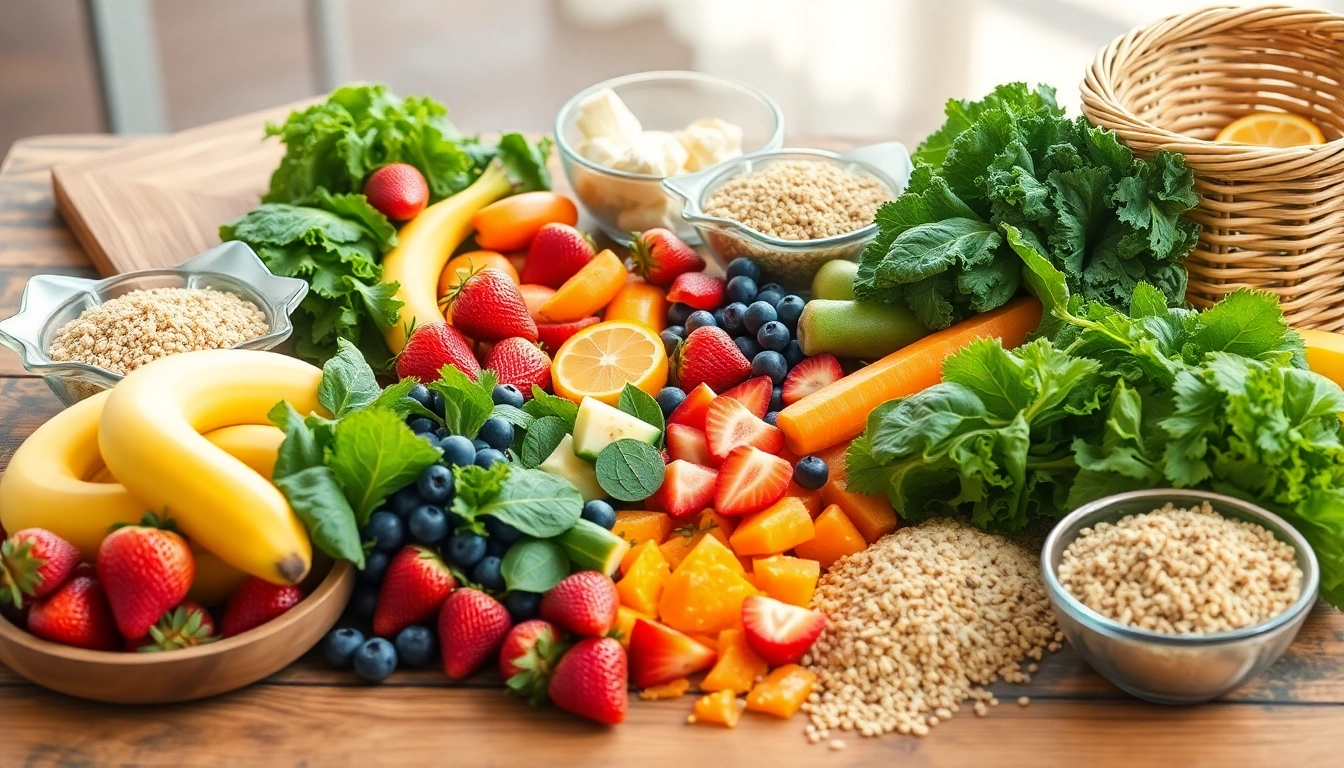
Healthy food is generally characterized by its high nutrient density—meaning it is rich in vitamins, minerals, and other beneficial nutrients relative to its calorie content. Such foods include a variety of fruits, vegetables, whole grains, lean proteins, and healthy fats. For example, leafy greens like spinach and kale are packed with vitamins A, C, and K, while whole grains like quinoa and brown rice provide fiber that aids digestion.
A well-rounded diet should include:
- Fruits: Fresh, dried, frozen, or canned without added sugars.
- Vegetables: A rainbow of colors ensures a range of nutrients.
- Whole Grains: Foods like brown rice, oats, and whole grain bread.
- Proteins: Lean meats, fish, eggs, beans, and nuts.
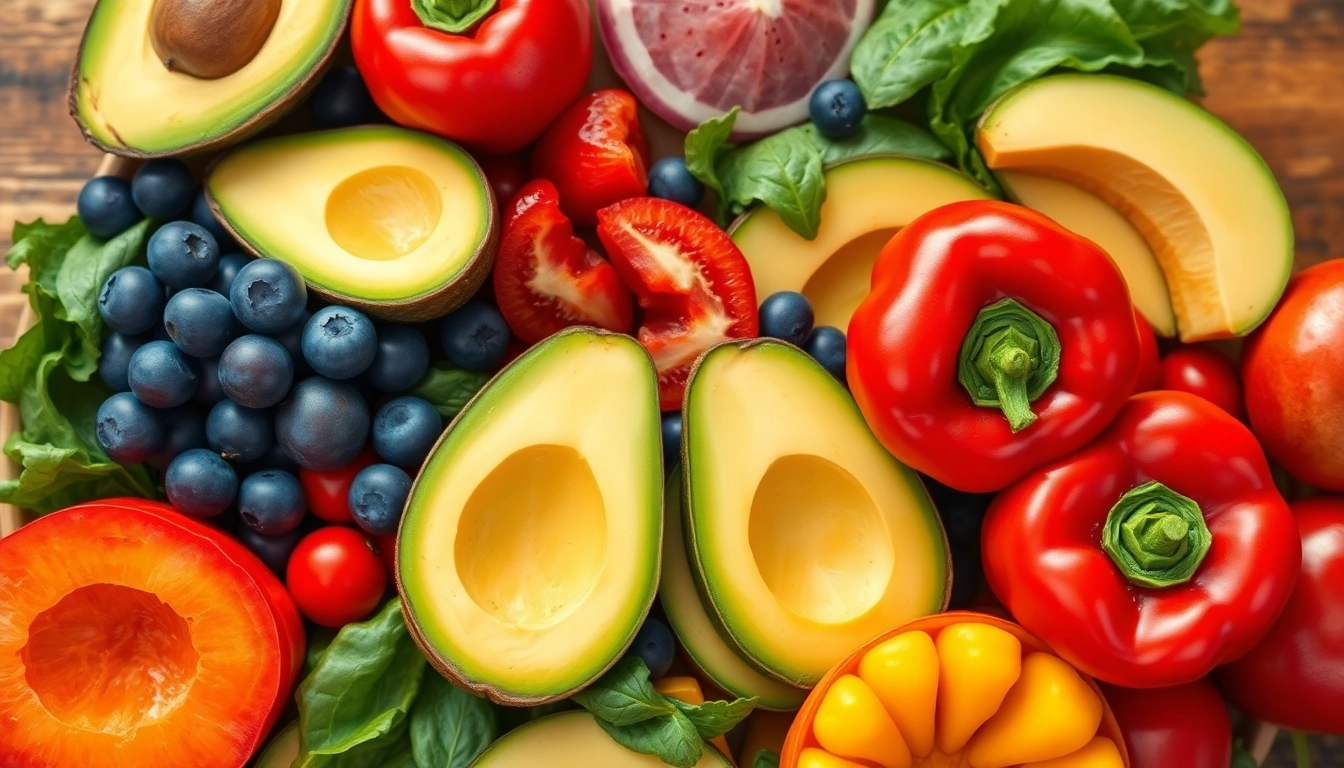
- Healthy Fats: Sources include avocados, olive oil, and certain nuts and seeds.
The Impact of Diet on Overall Health
The relationship between diet and health is profound. Consuming a balanced diet fortified with healthy foods significantly reduces the risk of chronic diseases, such as heart disease, diabetes, and certain cancers. Numerous studies indicate that people who eat a diet rich in fruits, vegetables, and healthy fats tend to have lower rates of these diseases.
Moreover, a well-balanced diet is crucial for maintaining a healthy weight, boosting immune function, and improving mental health. For instance, Omega-3 fatty acids found in fish are not only good for heart health but also beneficial for cognitive function and mood stabilization.
Balancing Nutrients for a Healthy Lifestyle
Achieving a balanced diet often means understanding how to appropriately combine different food groups. The key is not just to eat healthy foods, but to ensure you are meeting your body’s needs for macronutrients (carbohydrates, proteins, and fats) and micronutrients (vitamins and minerals) in adequate amounts.
This can often be visualized in the form of the Healthy Eating Plate model, which suggests filling half of your plate with vegetables and fruits, a quarter with whole grains, and a quarter with protein. Such visual aids can significantly simplify the process of meal planning, helping individuals adhere to their health goals.
Top 10 Healthy Foods You Should Incorporate
With so many options available, knowing which healthy foods to include in your diet can be overwhelming. Here are the top ten foods that are not only nutritious but also versatile and delicious.
Fruits: Nature’s Sweet Treats
Fruits are fundamental to any healthy diet due to their wealth of vitamins, minerals, and antioxidants. They can reduce the risk of many chronic diseases and provide a natural sweetness to your meals.
Some of the standout options include:
- Berries: Blueberries, strawberries, and raspberries are loaded with antioxidants that combat oxidative stress.
- Citrus Fruits: Oranges and grapefruits are high in vitamin C and can help boost the immune system.
- Bananas: A great source of potassium, which supports heart health and muscle function.
Vegetables: A Colorful Key to Wellbeing
Vegetables are rich in essential nutrients and play a critical role in a balanced diet. Incorporating a variety of colors on your plate not only makes meals visually appealing but also ensures a broad intake of different vitamins and minerals.
Some vegetables to consider include:
- Kale: High in vitamins A, K, and C, and minerals like calcium.
- Broccoli: Packed with fiber, vitamins C and K, and also contains antioxidants.
- Carrots: Excellent sources of beta-carotene, which the body converts into vitamin A.
Whole Grains: The Power of Fiber
Whole grains are an essential source of complex carbohydrates and fiber, which help maintain energy and promote digestive health. Unlike refined grains, whole grains contain all parts of the grain kernel, providing maximum nutritional benefits.
Popular whole grains include:
- Brown Rice: A rich source of fiber and manganese, it also helps regulate blood sugar levels.
- Quinoa: A unique grain that contains all nine essential amino acids, making it a complete protein.
- Oats: High in beta-glucan, which can help reduce cholesterol levels.
Healthy Recipes to Try at Home
Cooking at home not only allows for more control over what you eat but also offers an opportunity to experiment with healthy recipes that are both nutritious and delicious. Here are some meal ideas to inspire your next culinary creation.
Quick and Easy Breakfasts
Starting your day with a healthy breakfast is vital for sustaining energy and cognitive function. Here are a few ideas:
- Overnight Oats: Combine rolled oats with yogurt or milk, chia seeds, and your choice of fruits. Let it sit overnight for a quick grab-and-go meal.
- Green Smoothies: Blend spinach, banana, and almond milk for a nutrient-packed drink that’s easy to take on the run.
- Avocado Toast: Whole grain bread topped with smashed avocado, a sprinkle of salt, and a drizzle of olive oil makes a satisfying start to your day.
Nutritious Lunches for Busy Days
Lunch can often be a rushed meal, but it doesn’t have to be unhealthy. Here are some ideas:
- Quinoa Salad: Toss cooked quinoa with chickpeas, diced vegetables, and a lemon-tahini dressing for a filling meal.
- Wraps: Use whole grain tortillas filled with lean proteins like grilled chicken, hummus, and fresh vegetables.
- Soup: A hearty vegetable soup made with a variety of seasonal veggies can be both comforting and nutritious.
Dinner Ideas for a Healthy Family Meal
Dinner can be an opportunity for families to come together and enjoy nutritious meals. Consider these healthy dinner options:
- Stir-fry: Quick and healthy, use lean meat or tofu with a variety of colorful vegetables served over brown rice.
- Baked Salmon: Rich in Omega-3 fatty acids, serve with steamed broccoli and quinoa for a well-rounded plate.
- Vegetable Curry: Made with lentils and a mix of spices, this can be nutritious and satisfying when served with brown rice.
Common Misconceptions About Healthy Food
Despite increasing awareness about healthy eating, several misconceptions persist, often discouraging people from making healthier choices. Let’s address some of these myths.
Healthy Food is Too Expensive
Many believe that healthy food comes with a higher price tag, often discouraging them from pursuing a healthier diet. However, it is possible to eat healthily without breaking the bank. Buying seasonal produce, purchasing whole foods in bulk, and meal prepping can help manage costs. Furthermore, many healthy alternatives, like beans and lentils, are cost-effective while being rich in nutrients.
Eating Healthy Means Boring Meals
A common myth is that healthy food is bland and unexciting. This is far from the truth. Healthy eating can be vibrant and delicious when you incorporate various spices, herbs, and cooking methods. Cooking with natural flavors can enhance both nutritional value and enjoyment.
All Fats Are Bad for You
Fats are often villainized in diets, leading to the misconception that all fats should be avoided. In reality, healthy fats found in avocados, nuts, and olive oil can support heart health and overall well-being. Understanding the difference between good fats and bad fats is essential for a balanced diet.
Creating a Healthy Eating Plan
Making significant changes to your diet can often seem overwhelming. However, creating a structured eating plan can simplify the process and help keep you motivated.
How to Meal Plan Effectively
Meal planning is a great strategy for those looking to eat healthier. It involves preparing meals ahead of time, which can save both time and effort during busy weekdays. To effectively meal plan:
- Choose a dedicated day each week for planning.
- Create a menu based on healthy recipes you enjoy.
- Make a grocery list based on your menu and stick to it.
- Prepare meals in batch to have on hand throughout the week.
Adapting Recipes for Healthier Choices
Adapting your favorite recipes to make them healthier doesn’t have to mean sacrificing taste. Here are a few tips to consider:
- Substitute refined grains with whole grains.
- Replace heavy creams with Greek yogurt or nut milks.
- Experiment with herbs and spices instead of salt for seasoning.
- Incorporate more vegetables into traditional recipes for added fiber and nutrients.
Tracking Your Healthy Eating Progress
Keeping track of the food you eat can help you stay accountable and motivated on your healthy eating journey. Consider the following methods:
- Use a food journal or a mobile app to log meals and snacks.
- Set benchmarks and celebrate small victories.
- Regularly revisit your goals and adjust as needed to ensure they remain realistic and achievable.